Birds and Tree Hollows
Like small jackhammers, the woodpeckers drill their way into tree trunks in Ekebergparken. Greater spotted woodpeckers, lesser spotted woodpeckers and European green woodpeckers diligently search for insects under the bark or wedge seeds and cones in the trunk to eat. If you are lucky, you may spot the largest of them all, the black woodpecker.Woodpeckers make warm, dry nests in the hollows of tree trunks.They make new ones each year, leaving the old nests vacant for other birds or bats the following year. The stock dove is one of many bird species that rely on the woodpecker’s diligence.The stock dove prefers the nests made by the European green woodpeckers and black woodpeckers, and this is yet another example of symbiosis in nature.
In Ekebergparken, more than 40 species of breeding birds have been recorded. Most of them are the common species one might expect to find in the mixed forests of eastern Norway, but unfortunately, some species occur more and more rarely.The common starling, for example, that used to be common in Norway is now regarded as a threatened species. Like the stock dove, the common starling prefers to nest in tree hollows, but it is a habitat that is on the wane due to man’s encroachment. At Ekeberg, however, several pairs are known to nest in the spring.
Domestic animals and wildlife
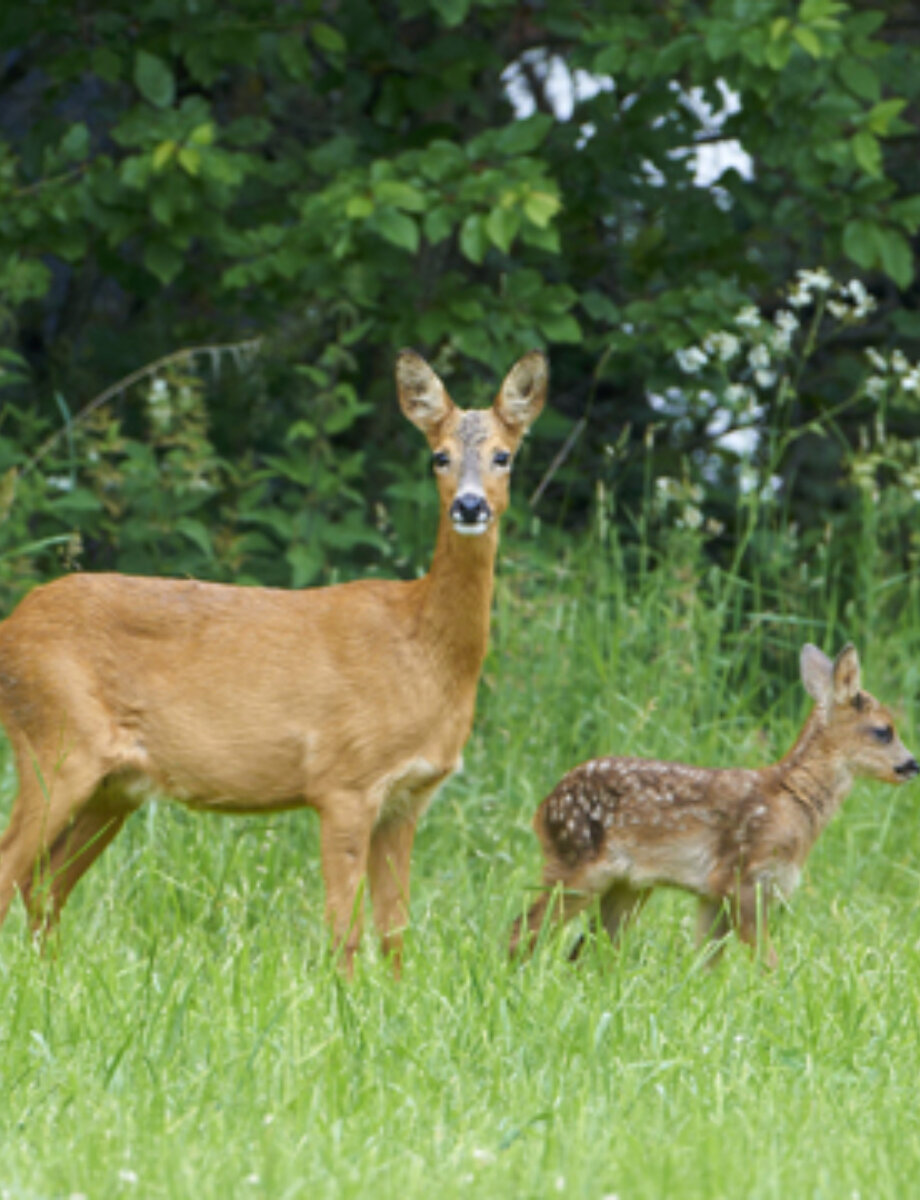
An array of different animals roam the forest of Ekeberg.
Rock hard facts
Ekeberg has some unique topological features thanks to hundreds of millions of years of geological processes.

Plant life
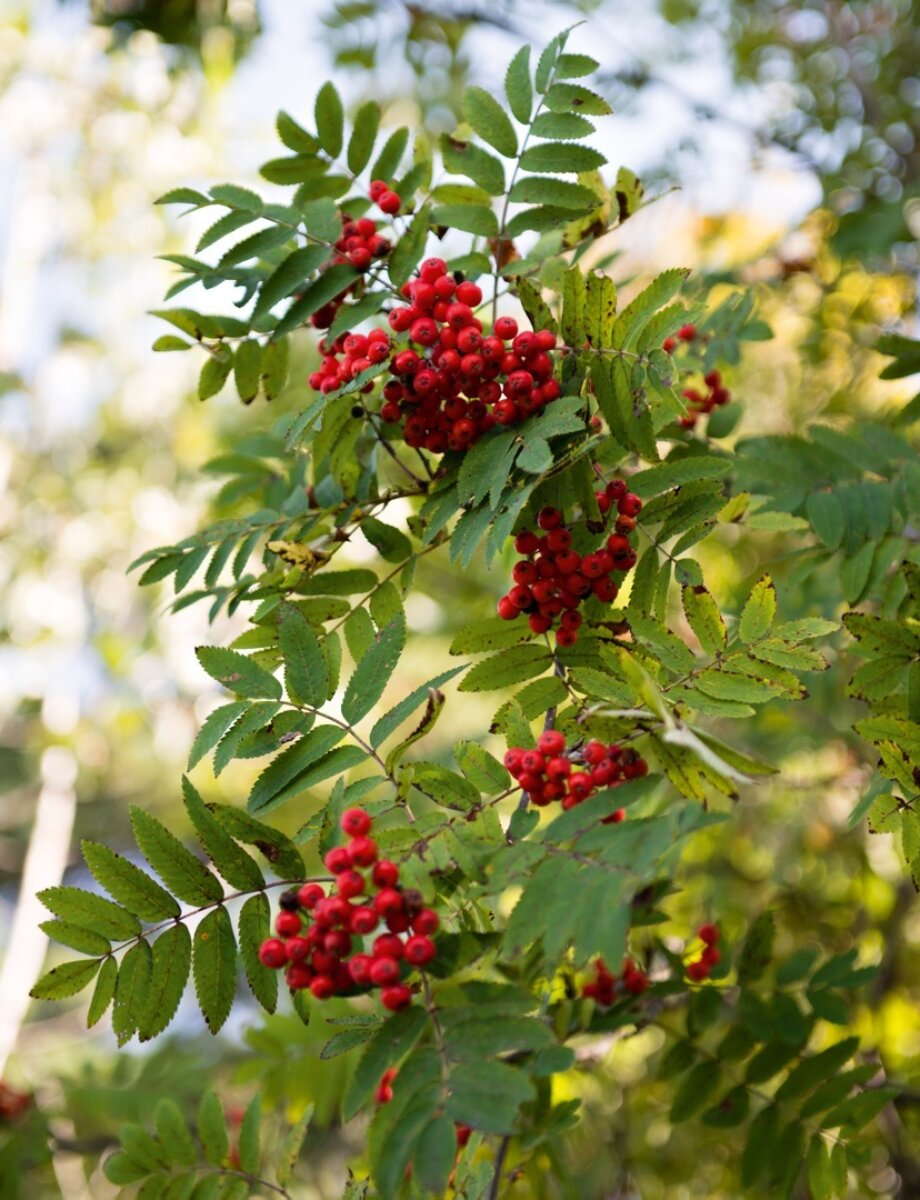
The pine forest dominates at Ekeberg, but over the years garden plants have taken over many parts of the area.