Domestic Animals and Wildlife at Ekeberg
Most of Ekeberg’s natural areas bear signs of an older cultural landscape. This is nature that has been transformed by farming, grazing, logging and other human activities over time. The Ekeberg escarpment has been used for grazing sheep, horses and cows, and these animals have transformed the hillside more than is evident at first glance.The grazing areas are almost overgrown, but the forest clearings such as «Havnehagen», Svenskesletta and here at Karlsborg are reminders of the animal husbandry that once took place at Ekeberg.
The old, partially overgrown cultural landscape and parkland alternates between clearings, dense forest, scrubland and free-standing trees providing habitats for a wide variety of wildlife. Beneath the trees, field voles and bank voles rustle in the leaves, and squirrels leap from branch to branch. Small bats hang in the hollows of old trees during the day, but at dusk they fly silently round the meadows hunting for insects. At night-time, an occasional fox steals through the forest, and when dawn breaks you can see deer grazing in the morning dew.
Birds and tree hollows
In Ekebergparken, more than 40 species of breeding birds have been recorded.
Rock hard facts
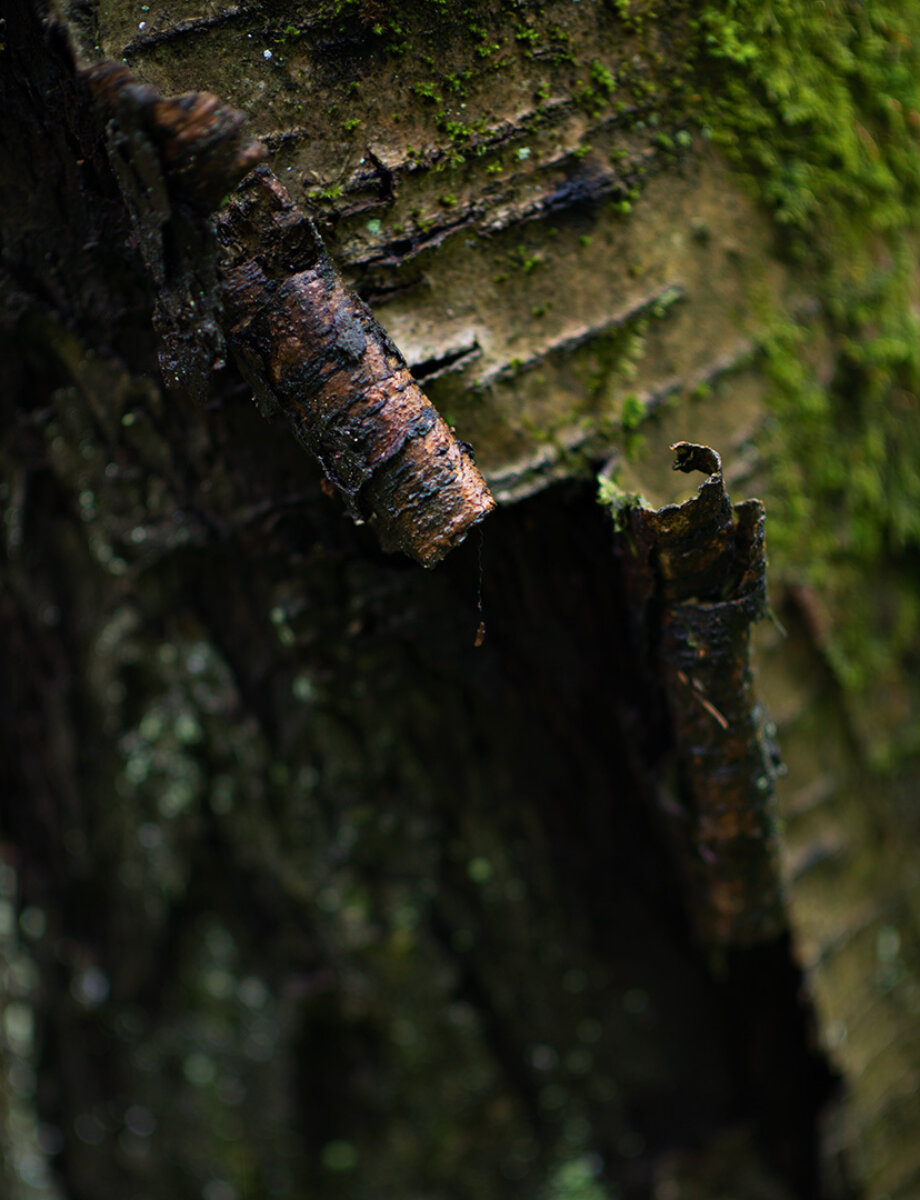
Ekeberg has some unique topological features thanks to hundreds of millions of years of geological processes.

Plant life
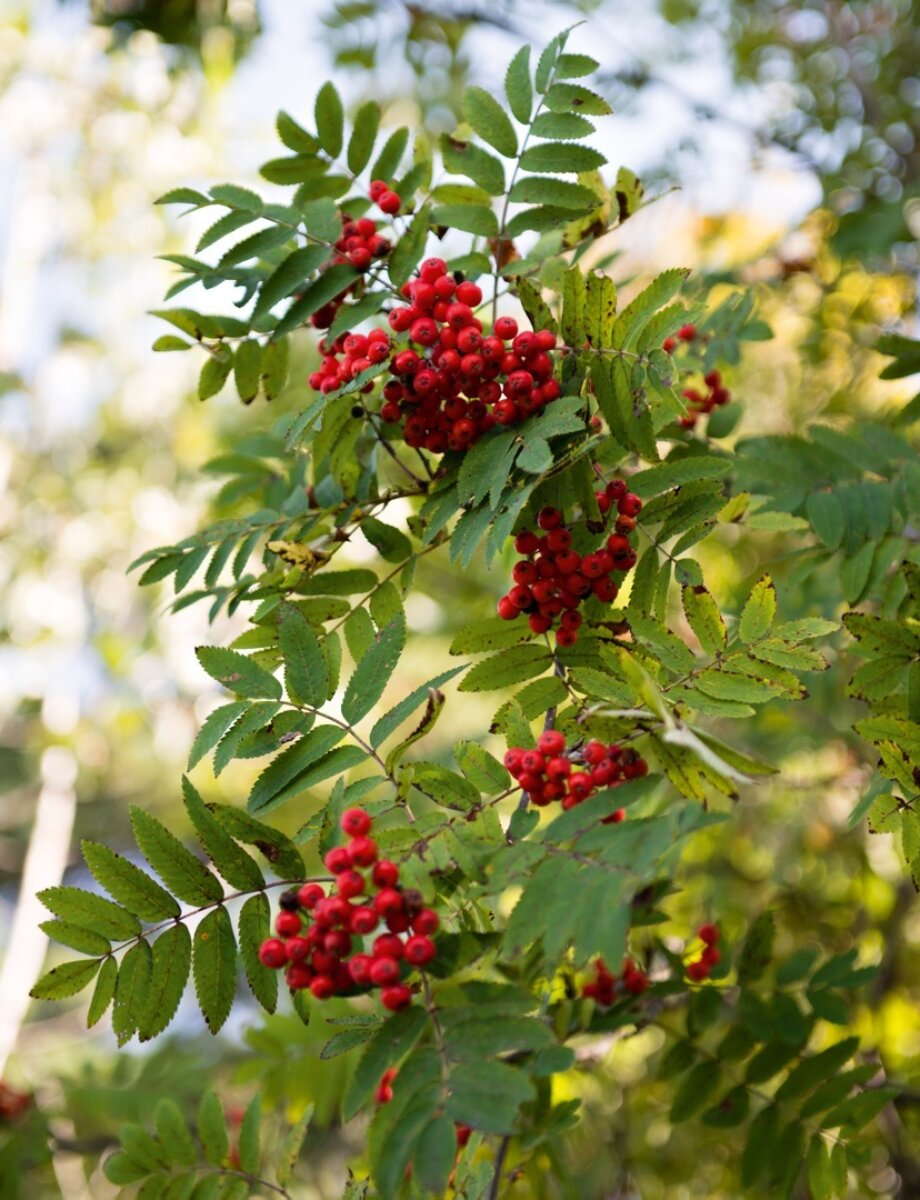
The pine forest dominates at Ekeberg, but over the years garden plants have taken over many parts of the area.