
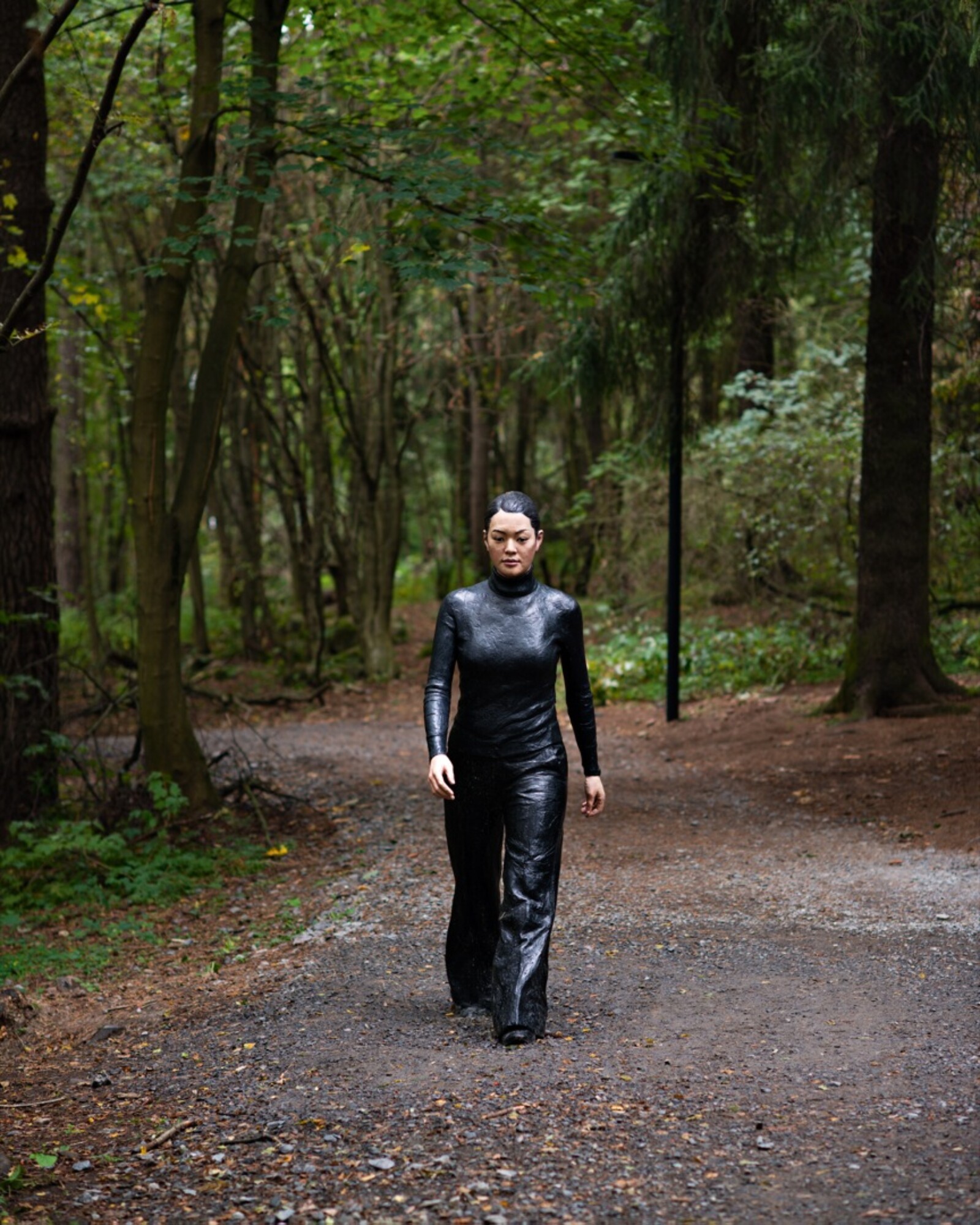
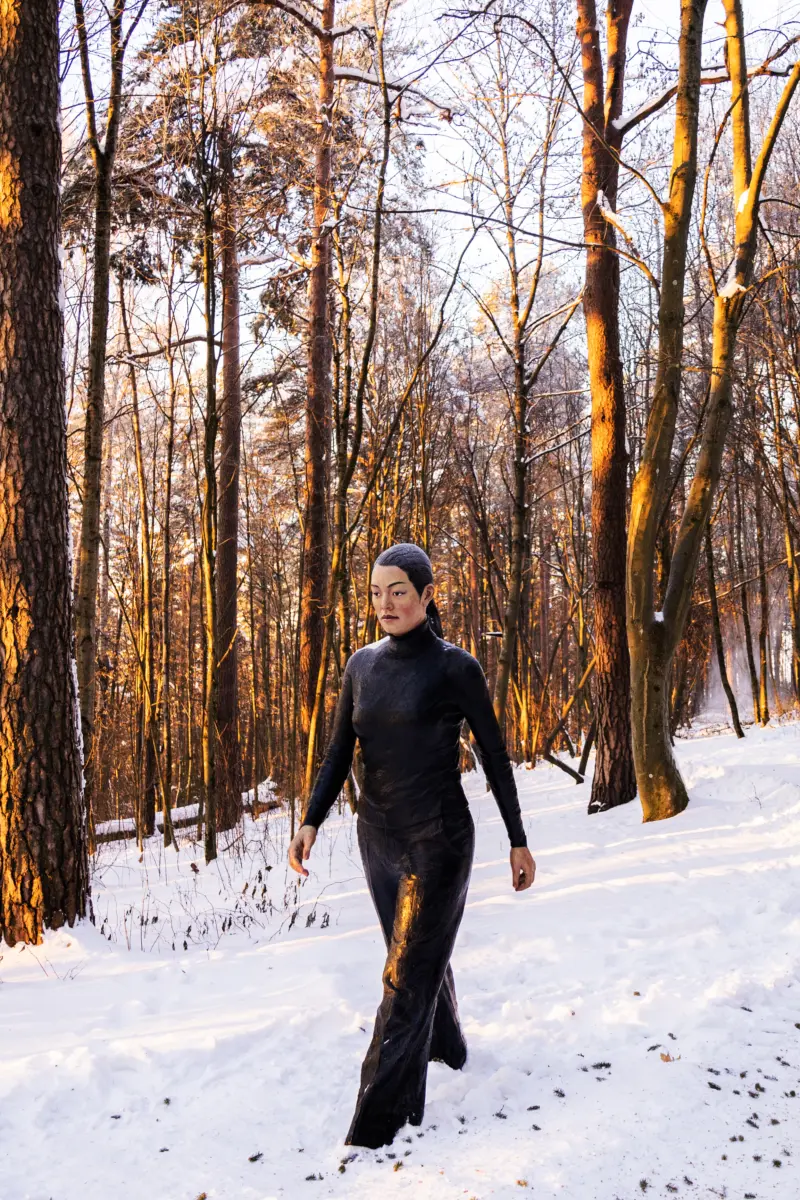
Walking Woman
- Date 2010
- Unveiled 2013
- Material Hand painted bronze
- Editions 5
- Dimensions 220 x 76 x 125 cm
© Sean Henry / BONO. Photo: © Ivar Kvaal
«What I’m trying to do with sculpture is defy time, to create something that endures in a way that we can’t and don’t.»
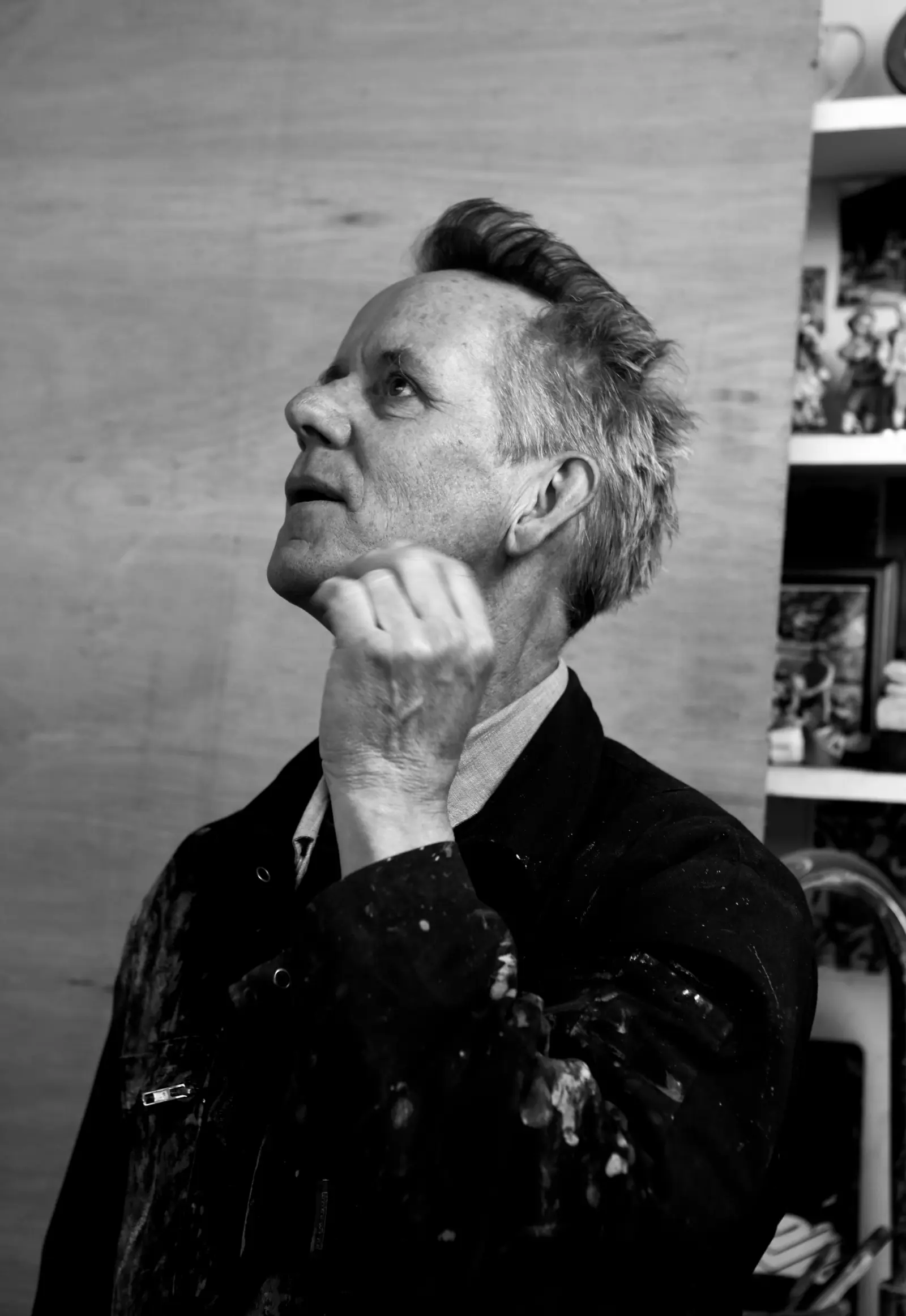
Sean Henry
(b. Woking, United Kingdom, 1965)
Sean Henry studied ceramics at Bristol Polytechnic and had his first solo exhibition in London in 1988. Since then, he has had a great number of exhibitions throughout his career and his work is represented in, among many, the collections of the National Portrait Gallery in London; Yorkshire Sculpture Park, Wakefield, England; The art collection of the City of Stockholm, Sweden; and several collections in Germany and the U.S.
Sean Henry models his figures in clay before they are cast. Then he paints them. His practice has helped revive the age-old custom of polychrome, i.e. multi-coloured sculpture. The tradition stems from Antiquity, when marble statues were painted in colours.
Henry's technique is striking and vivid. In public spaces, his naturalist figures are conspicuous, just as his sculptures are both lifelike and theatrical. They are reflections of ourselves and enhance our experience with life in our own world.
Henry’s sculptures are characterised by depicting anonymous antiheroes, ordinary people in calm or contemplative situations, always shown in mundane situations and freezed in certain moments. Some are walking down a city street, sitting on benches in public areas, some are sleeping on the ground.
Henry revives an ancient tradition in the visual arts by painting all of his sculptures in colours. Sculptures in antiquity were painted polychromatic in a vivid and naturalistic manner. It was the Renaissance in the 1400s that recreated the classical ideal as unpainted marble sculpture and introduced this impression of antiquity.
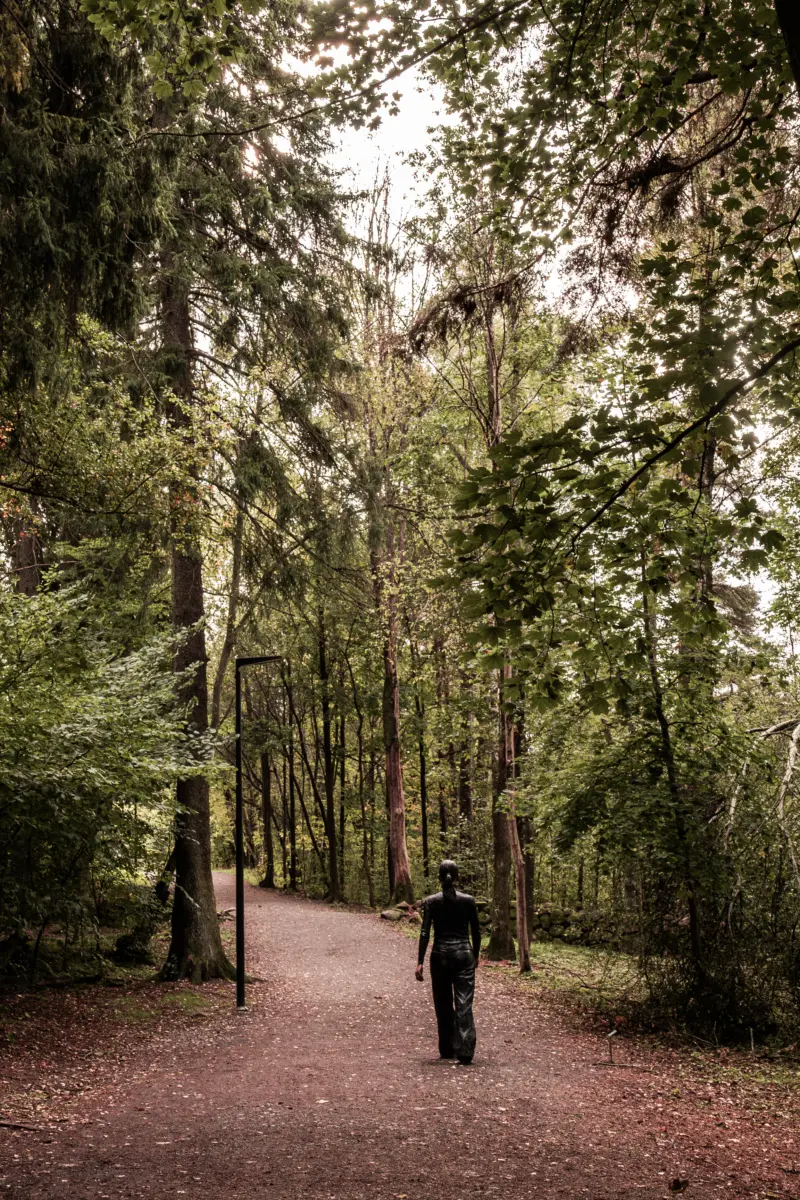
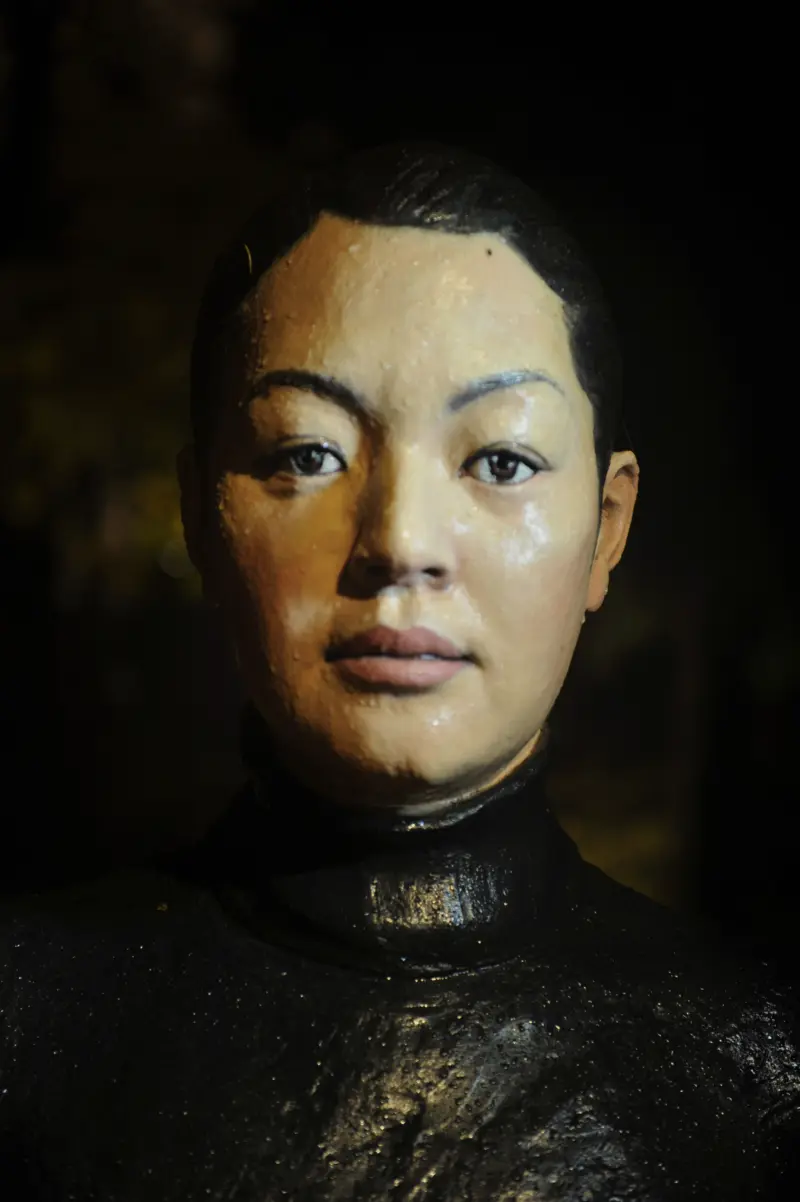
Walking Woman shows a woman moving purposefully forwards. She is paused in motion, poised to take her next step, arms swinging calmly alongside her body. She startles the viewer with her realistic, ordinary appearance and sheer size, but emanates a feeling of melancholy longing that spectators often can relate to. If you look closely, you can clearly see traces in the texture of the sculpture’s surface of how it has been formed. You can see where the modelling blade and Henry’s fingers have been. The artist has chosen to leave these marks here on purpose. The handmade traces become just as important a part of the artwork as the realistic and monumental appearance and gives the sculpture a lively and expressive surface. Henry made five casts of Walking Woman, and the final one was placed in a busy shopping street in his birthplace, Woking in Surrey, England.
Guided tours
Experience Walking Woman and many of the other artworks in the collection with our art mediators. We offer guided tours for private groups all year round.