
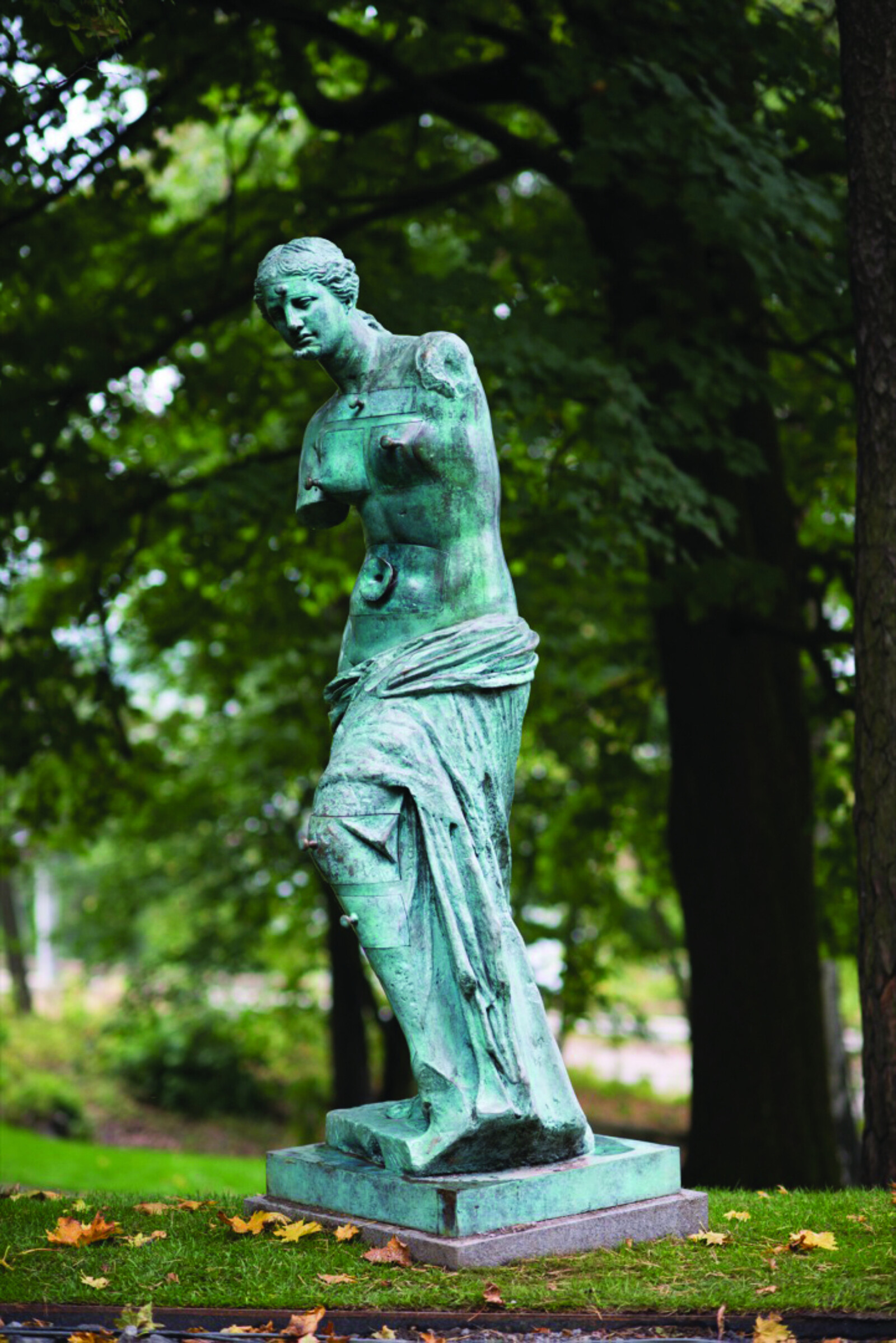
Venus de Milo aux Tiroirs
- Date 1964
- Unveiled 2013
- Material Bronze
- Dimensions 220 cm
Photo: © Ivar Kvaal
«What is important is to spread confusion, not eliminate it.»
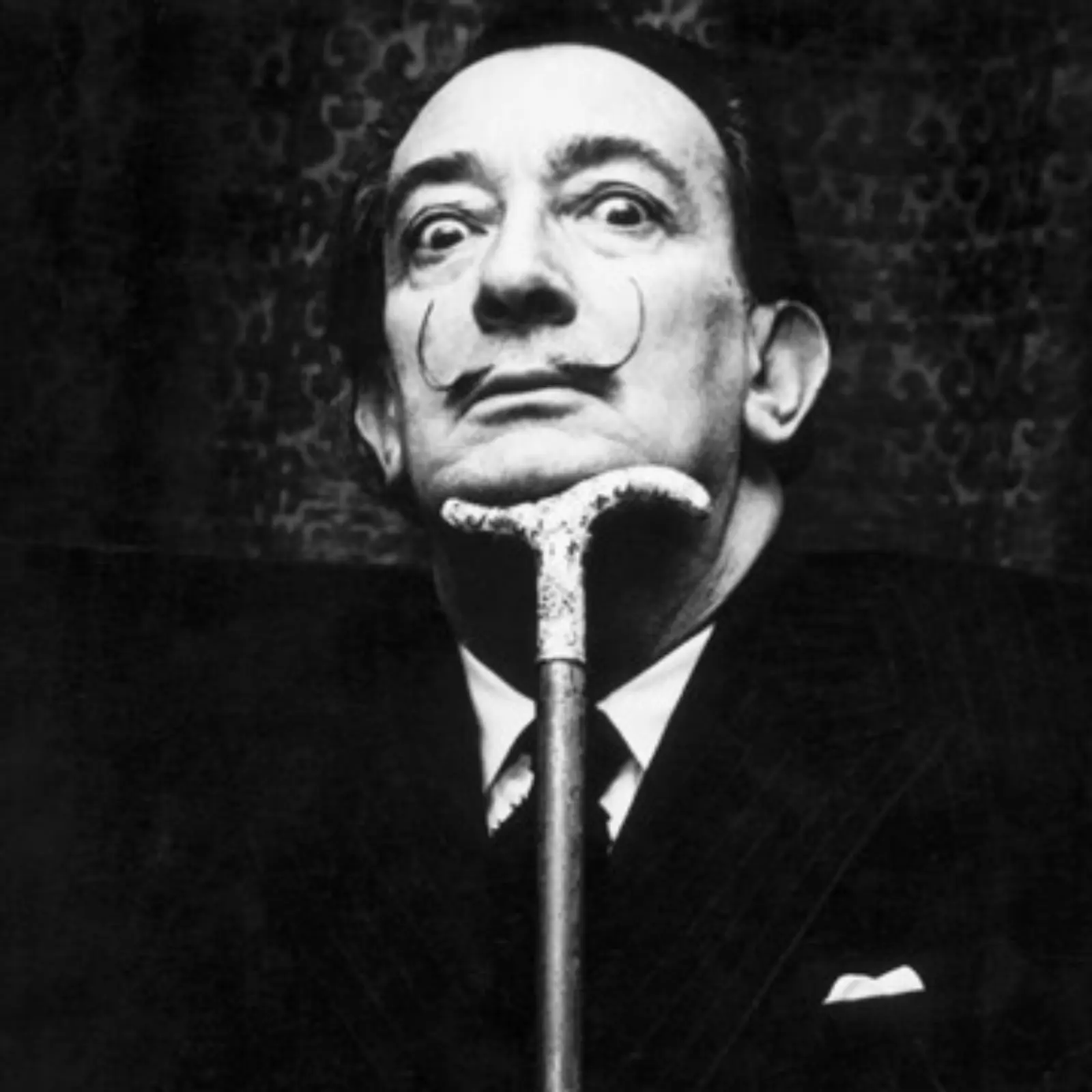
Salvador Dalí
(b. Figueres, Spain, 1904-1989)
Salvador Dalí was a prolific artist who used many different mediums such as painting, sculpture, printmaking, photography, and film. He was educated at the Real Academia de Bellas Artes de San Fernando in Madrid and was initially influenced by the Renaissance masters and French impressionism. However, he quickly became interested in avantgarde art movements that diverged from traditional classical depiction. Dalí drew from influences from a number of artistic movements. In 1929, he went to Paris and became part of the Surrealist wave. The surrealists were inspired by Sigmund Freud's dream interpretations and theories of the subconscious. He continued to create his personal expression within a Surrealist style until he left the movement in 1939. Though he continued developing his unique artistic expression throughout the rest of his life, he is still mostly known for his surrealistic period.
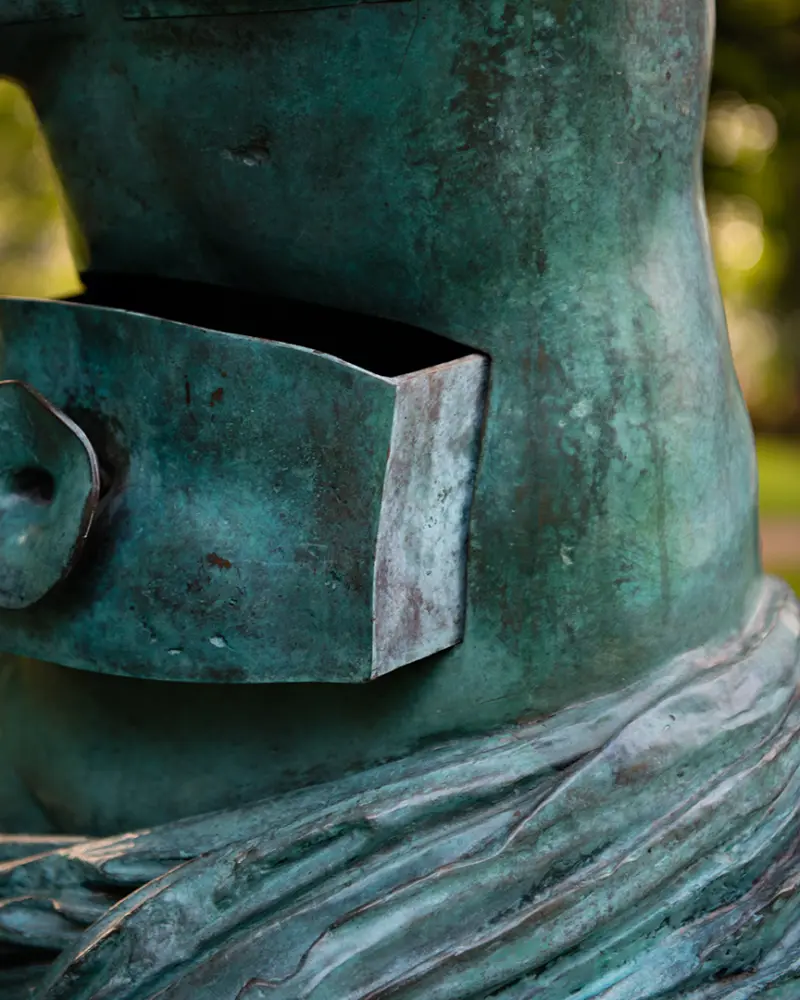
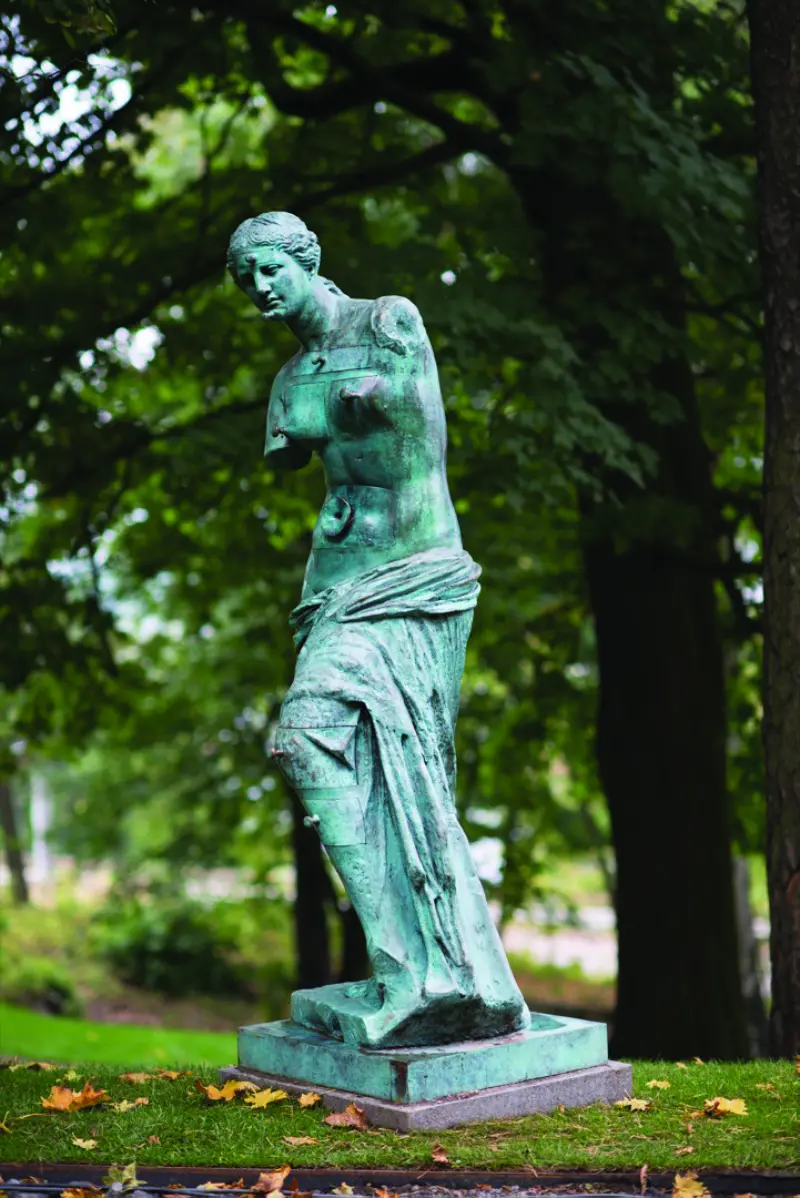
Venus de Milo aux Tiroirs stems from Dalí's surrealist period. By way of this sculpture, Dalí activates the antique sculpture Venus de Milo, adding drawers to her body – and thus making an analogy of the subconsciousness and of suppressed sexuality. The same motif is to be found in his paintings and other sculptural works.


Dalí was influenced by psychoanalyst Sigmund Freud (1856–1939), his interpretations of dreams and theories of the subconscious. Freud inspired Dalí to include these themes in his art practice, no matter how bizarre or revealing they were.
Grande Venus de Milo Aux Tiroirs is Dalí’s version of the marble sculpture Venus de Milo, one of the most famous depictions of the Goddess of Love from antiquity, dated to around 150 BC. It was found, arms missing, on the Greek island of Milos in 1820 and has since 1821 been exhibited at the Louvre in Paris. Dalí’s Venus is a copy of the Louvre Venus, but with a twist—the addition of a series of retractable drawers on her body. This is a good example of how Dalí expertly combined different elements in strange and humorous ways, developing a more profound theme. The drawers symbolise a secret way into the inner world of this pinnacle of idealised beauty, bringing to light the psychology of human sexuality. The work can also be seen as a form of readymade. By turning everything upside down, Dalí opens up for different and contradictory interpretations of the same object. Is this statue the female form objectified as a piece of furniture, or is it an anthropomorphic chest of drawers?
Dalí used this motif frequently in his artwork. Amongst others, there is a version from 1936, made of white painted plaster with mink pom-poms on the handles of the drawers, in the collection of the Art Institute of Chicago. Dalí’s earliest Venus is a clay sculpture made in his first “atelier”: the washing room of his childhood home.
Guided tours
Experience Venus de Milo aux Tiroirs and many of the other artworks in the collection with our art mediators. We offer guided tours for private groups all year round.