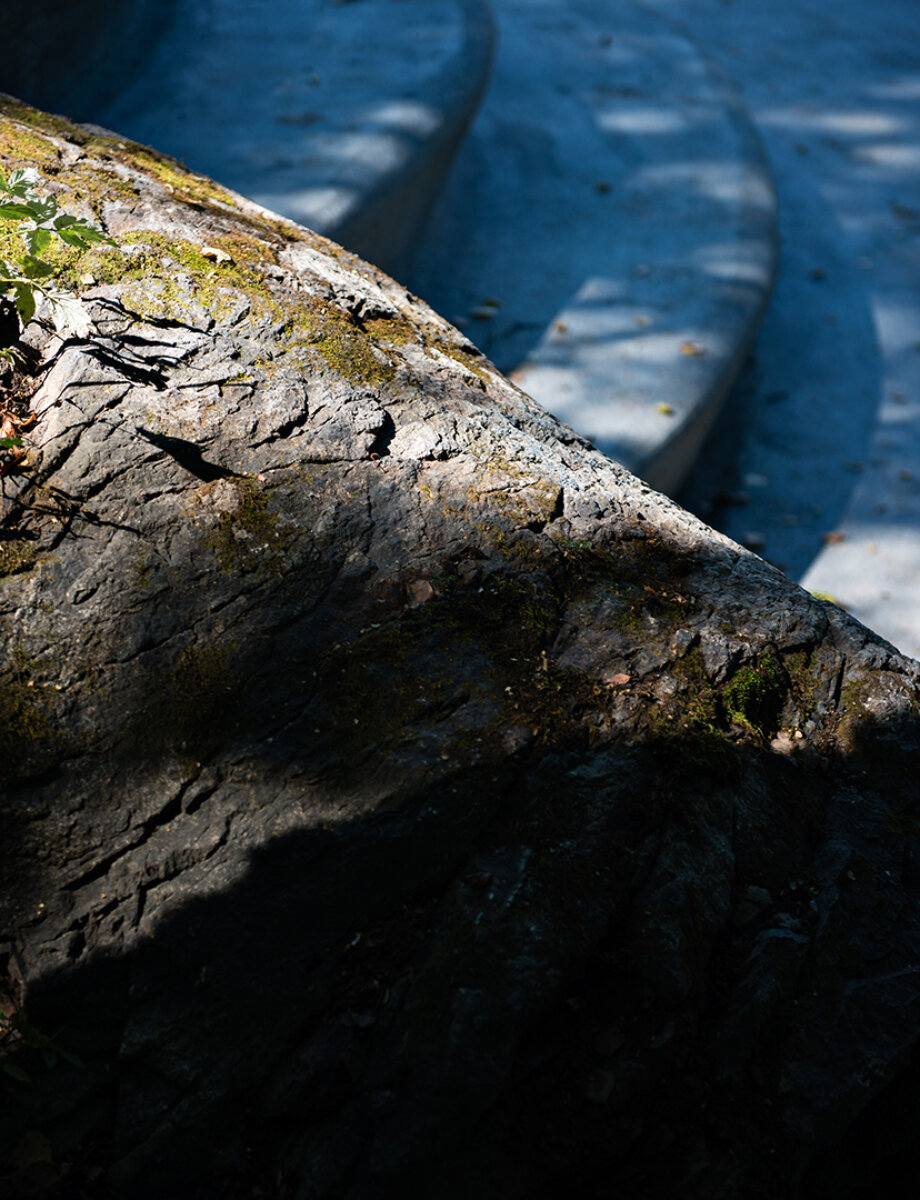
Indigenous plants, cultivated plants and garden runaways
Over the last 150 years, the Ekeberg landscape has seen the arrival of a new type of vegetation – garden plants. Ornamental shrubs and garden flowers know no bounds and will spread eagerly to forests and fields if so allowed. Some of the garden runaways have resulted in changes in the composition of species in nature.
"Yes" and "no" plants
To curb the trend of old species constantly disappearing and new species taking over, endangered species were listed in a red list while species considered a threat were listed in a black list. There are recommendations on how redlisted species can be saved, and how to deal with blacklisted species. But what is so wrong with old plants disappearing and new ones taking their place?
The biggest problem with foreign species is not that they are for eign; new species have always been appearing in the Norwegian nature and becoming part of the natural flora. But with the increase in plant imports and movement of soil containing seeds and other organisms, the impact today is far greater than it used to be. Many species that come into our flora do not pose a threat to the biodiversity. Some are not robust enough to manage on their own or they spread in small numbers. Other plant species, however, become so dominant that they often threaten to dis place indigenous species. When plants disappear, insects and other organisms also disappear because they have a symbiotic relationship with the plants. Biodiversity thus diminishes.
Garden plants have also spread at Ekeberg. However, the diver sity in Ekeberg Park is fairly extensive, with more than 150 vas cular plants registered.This is quite considerable for an area this small and where the soil is relatively low on nutrients. Among the “no” plants being dealt with in Ekeberg Park are corn roc ket (Bunias orientalis), Japanese rose (Rosa rugosa), European berberis (Berberis vulgaris), Scotch Laburnum (Laburnum alpi num), sycamore maple (Acer pseudoplantanus) and European silver fir (Abies alba).
Northern Dragonhead and its partner
The northern dragonhead (Dracocephalum ruyschiana) is a rare and endangered species of plant found in a few places in the sunny western escarpment at Ekeberg.The name derives from the shape of its blue-violet flowers, and it occurs mostly in Norway and Switzerland. We therefore have a special responsibility for taking care of this rare beauty. The dragonhead thrives in dry chalky meadows, but this type of environment is disappearing, partly because agriculture is no longer driven by grazing and hayfields, but also because areas such as these are being developed for other purposes.
Another important reason for taking care of the northern dragonhead is its tiny partner, the northern dragonhead sap beetle (Meligethes norvegicus). This exceedingly rare beetle, which is only found in Norway, lives solely on the dragon head plant. For some reason, it has moved from its hosts on the Ekeberg escarpment and is now only found on Hovedøya and Bleikøya. We hope it returns soon.
Dog-strangling vine
The dog-strangling vine (Vincetoxicum rossicum) changed from being a “yes” plant to regarded as a “no” plant! It was first documented in Norway in 1865, amazingly in a herbarium at Ekeberg. For a long time, the dog-strangling vine was considered a rare species in need of protection, and ended up on the red- list of endangered species as it was thought to be indigenous to Norway. However, it is now known that the dog-strangling vine was introduced to Norway. It probably came as a garden plant in the first half of the 1800s, and since then has thrived exceedingly in the inner Oslo fjord area.
The dog-strangling vine grows in chalky soil, preferably on sunny slopes, but also in deciduous forests and wet meadows. It has spread quickly and is now common on many of the inner fjord’s islands and elsewhere. In some places the dog-strangling vine has become so dominant that it has taken over at the expense of natural meadow plants. In 2007, therefore, the plant was black-listed and is now regarded as a nuisance.
Where have the oak trees on Eikaberg gone?
“Eikaberg” is an old name. It is mentioned inter alia in Håkon Håkonsson’s saga, which deals with events in the 13th century. “Ekeberg” literally translates as “rock with oak trees”, but where are the oaks today? They were probably cut down in the Middle Ages as oak was used as construction material, especially for shipbuilding, and there was early a high demand for it. So we can assume that this is the reason why most of the oak trees on Ekeberg have disappeared.
Ekebergparken's diverse nature
Deciduous forest
The steep escarpment down to Gamlebyen has a relatively young deciduous forest dominated by maple and ash trees.The forest floor is rich in vascular plants along the moist slopes. Gamlebyen has a rich birdlife because many bird species thrive in this deciduous forest.
Old pine forest
The upper part of the Ekeberg escarpment is covered by an old pine forest punctuated by deciduous trees and spruce.The lower part of the slope has a somewhat richer woodland environment, with inter alia lilies of the valley (Convallaria majalis) and scented Solomon’s seal (Polygonatum odo- ratum). The west-facing slopes have good light conditions and the forest has a dry and warm environment with many insect species.
Pine forest along the brook
Along a small brook running from Ekebergsletta, a unique forest environ- ment has developed. Here you can find a rare mix of alder and ash and low-herb woodland. On old decaying tree trunks you can find the endangered crown-tipped coral fungus.
Pine forest and rocky outcrops on chalky soil
The pine forest and rocky outcrops on the lower part of the slope from Åsberget with Kongshavn School and southward is characterised by calcareous soil.This gives a far richer and more diverse flora than farther up the escarpment. Here you can find rare and endangered floral species, such as dragon head, rock cinquefoil (Drymocallis rupestris) and spiked speedwell (Veronica spicata).This area is protected as a nature reserve.
Swampy forest
In a hollow between Ridesletta and Ekebergsletta, the moisture level in the soil is stable. Here, black alder enjoys good fertile conditions. In addition, you will find pine, spruce, birch, willow, ash and maple here. The forest is not especially old, but in time it can develop into a botanically interesting area.
Planted spruce forest
The forest to the south and west of Ridesletta mainly consists of cultivated spruce. The spruce forest allows very little light to reach the forest floor, and therefore the area has few plants that need a lot of light. However, mosses and fungi that require a lot of moisture thrive here.
Former grazing land
The slope between Ridesletta and Svenskesletta is part of a larger area at Ekeberg that was used for grazing animals.The vegetation here is characterised by typical meadow flora. The small trees and bushes – oak-leaf mountain ash (Sorbus hybrid), blackthorn (Prunus spinosa) and buckthorn (Rhamnus cathartica) contribute to a diversity of insects.
Birds and tree hollows
In Ekebergparken, more than 40 species of breeding birds have been recorded.
Domestic animals and wildlife
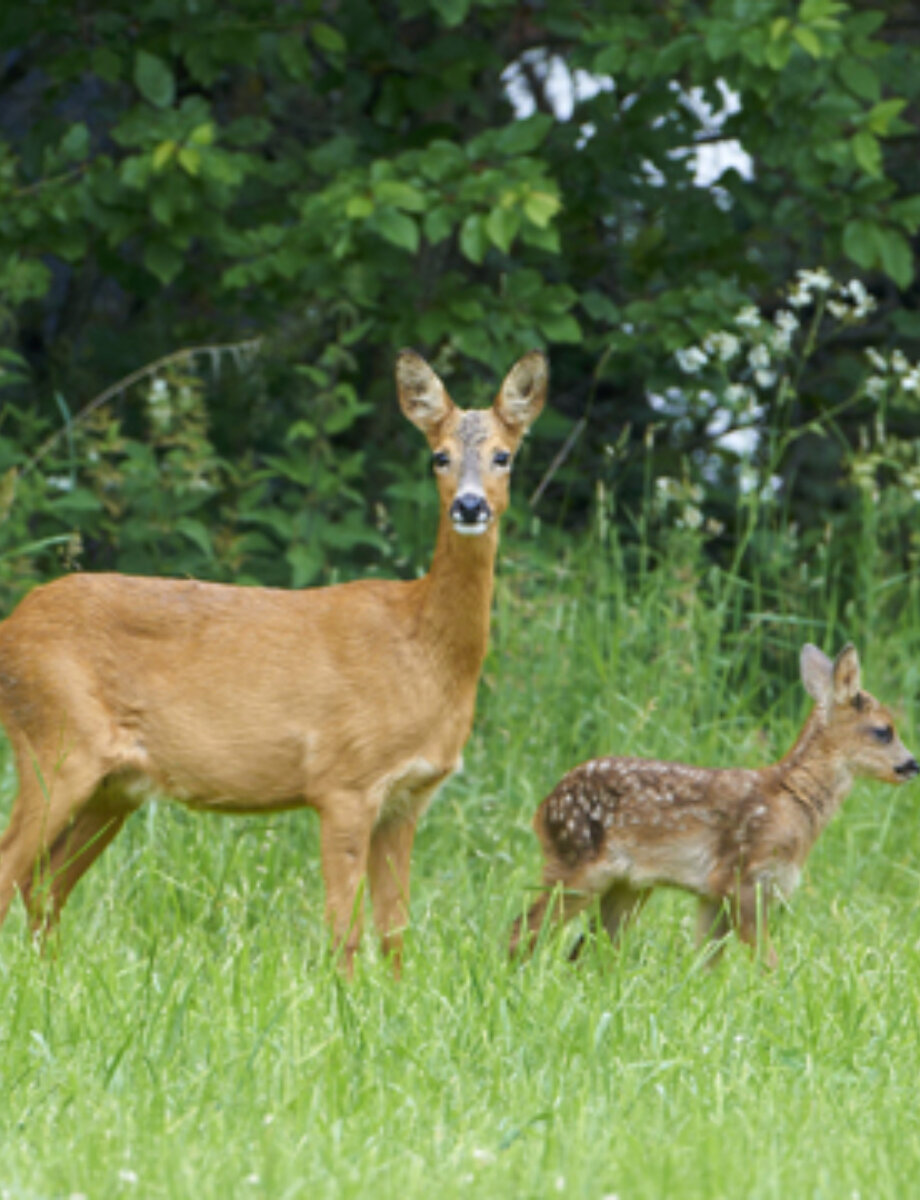
An array of different animals roam the forest of Ekeberg.
Rock hard facts
Ekeberg has some unique topological features thanks to hundreds of millions of years of geological processes.