Cultural heritage
It has been known for a long time that Ekeberg is an area of significant cultural heritage. A vast number of findings over several years show that the area has been impacted by human activity as early as the Palaeolithic period.
Already in 1915 the petroglyphs in Familiedalen, by the building that today houses Kongshavn upper secondary school, were discovered. The burial mounds from the Bronze and Iron Ages, as well as the paving and mysterious cup-marks have been subject to research. However, the comprehensive surveys in preparation for the establishment of the sculptural park in 2011 showed that the cultural heritage at Ekeberg was even richer and more extensive than previously thought.
The earliest traces found at Ekeberg are from humans who arrived here shortly after the ice had melted in the Stone Age (ca. 8000–2000 BC). Ten thousand years ago the landscape at Ekeberg would probably have been a peninsula or a bay. Over the course of thousands of years, the land slowly rose from the ocean as the glaciers that had covered the land and pushed it down, pulled back.
Settlements
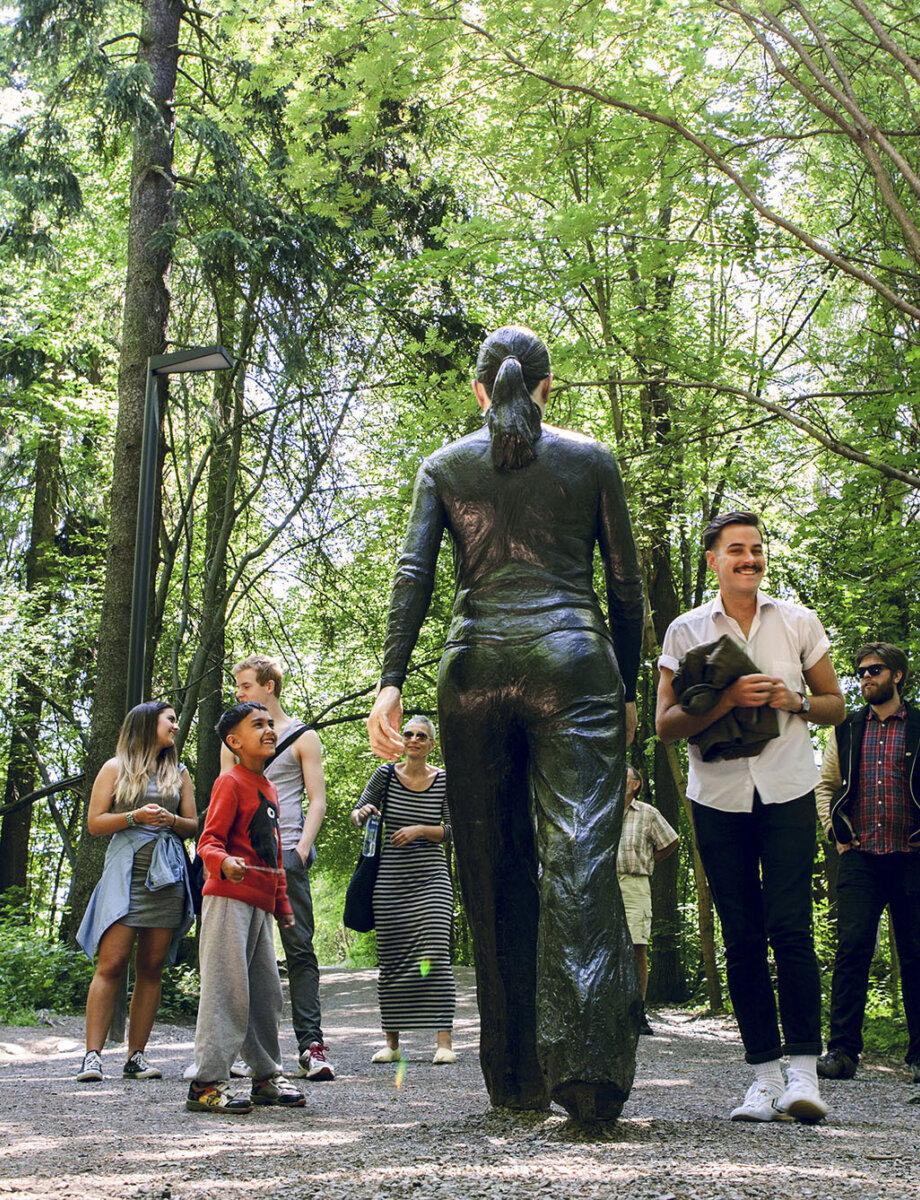
The people that came to Ekeberg during the Stone Age were a nomadic people who lived off fishing, hunting and gathering. They would settle close to the sea or in areas that would provide shelter and fresh water. Before the sculpture park opened, archaeologists traced several settlements and camp sites in the area and found tools and flint flakes, quartz, and other stone material. Dan Graham’s Ekeberg Pavilion has been placed in one of the areas where flint flakes were found.
Petroglyphs
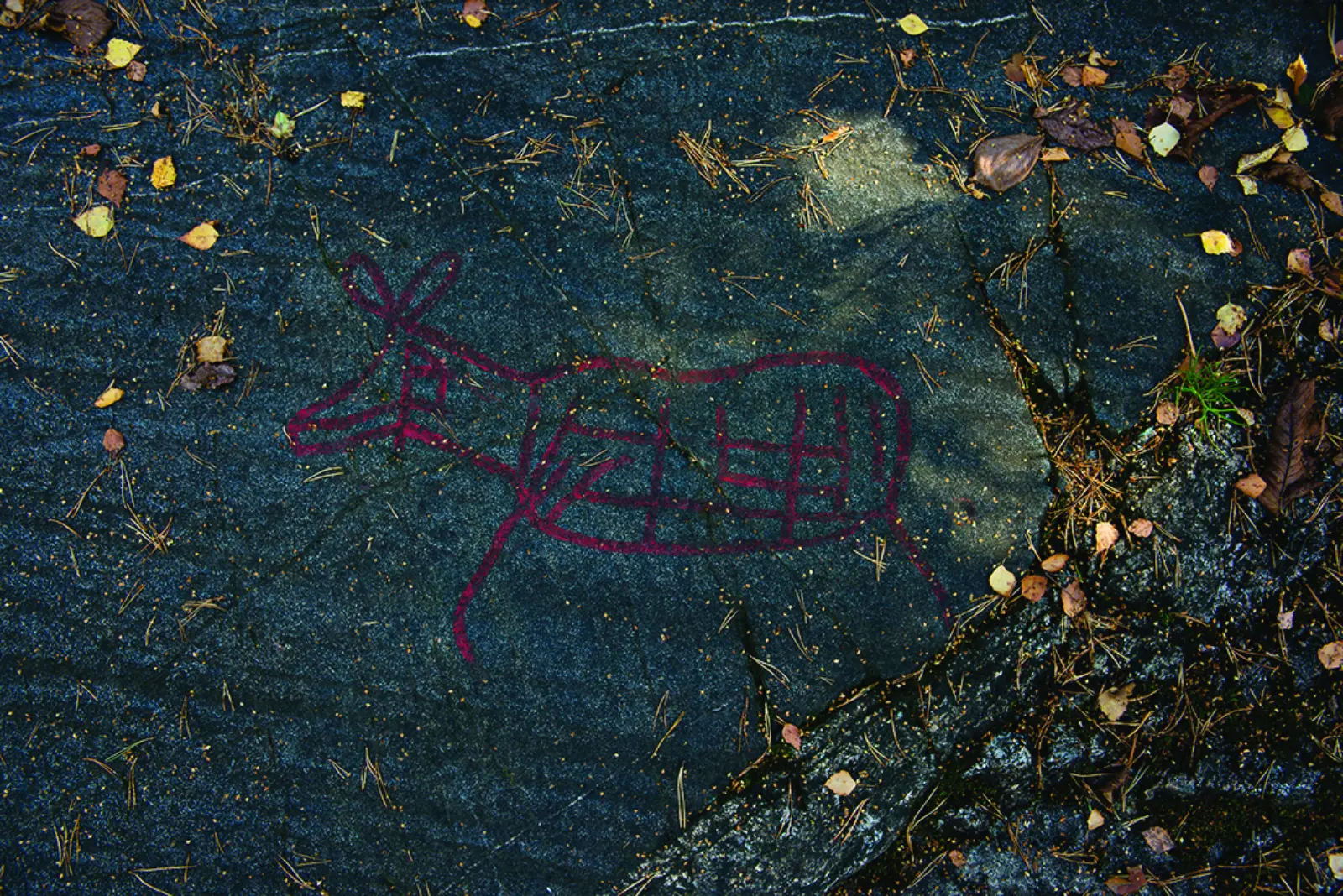
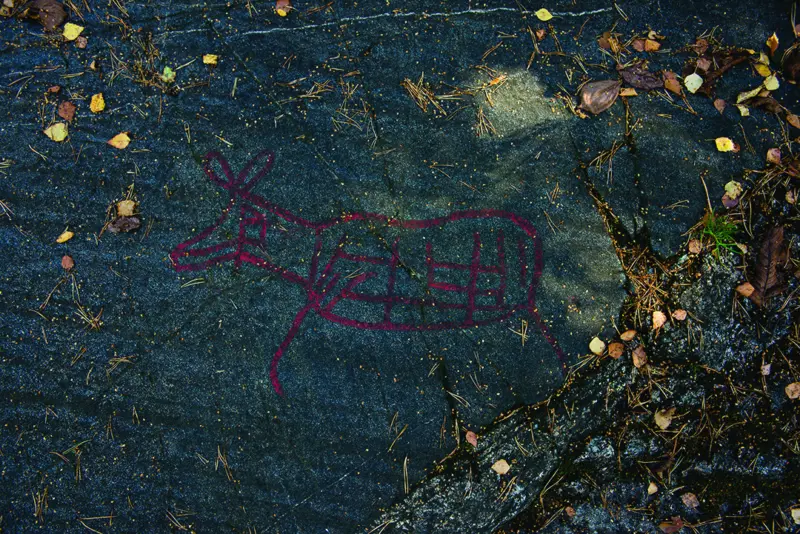
The most important finding from the Stone Age are the rock carvings by Kongshavn VGS (upper secondary school). They are the oldest known rock carvings of its type in Oslo and consist of petro- glyphs from the end of the Palaeolithic Period, made roughly seven thousand years ago. Among the carvings are thirteen figures, ten of them are animals, one resembles a human, one is pointy and oval; presumably a kind of snap trap, and a birdlike figure, which indicates that these people engaged in bird catching. It is tempting to interpret the petroglyphs purely descriptive, however, we do not know precisely what they meant or why they were made.
Burial mounds and piles
A number of burial mounds and piles from the Bronze Age and Palaeolithic Period (ca. 1700 BC— 1050 AD) have been discovered. We know that the burial mounds were memorials to the dead, and that they had a ritualistic meaning. Perhaps they marked a territory or told of a family’s power and position? The tradition of building burial mounds came to Norway in the early Bronze Age. The graves have not been examined by archaeologists, so we are not sure what they might be hiding. They have, however, been dated based on the grave’s appearance and location.
Cup-marks
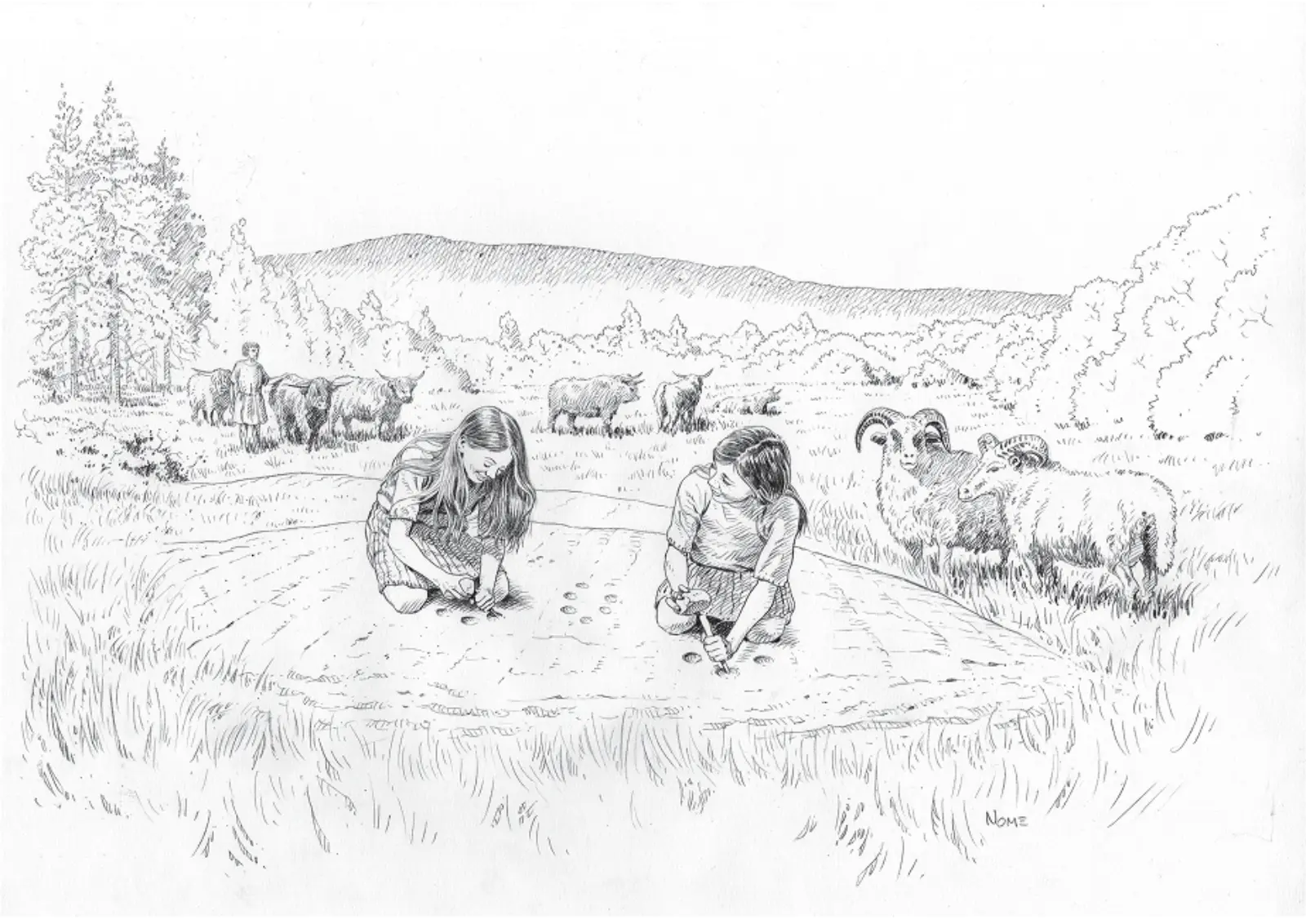
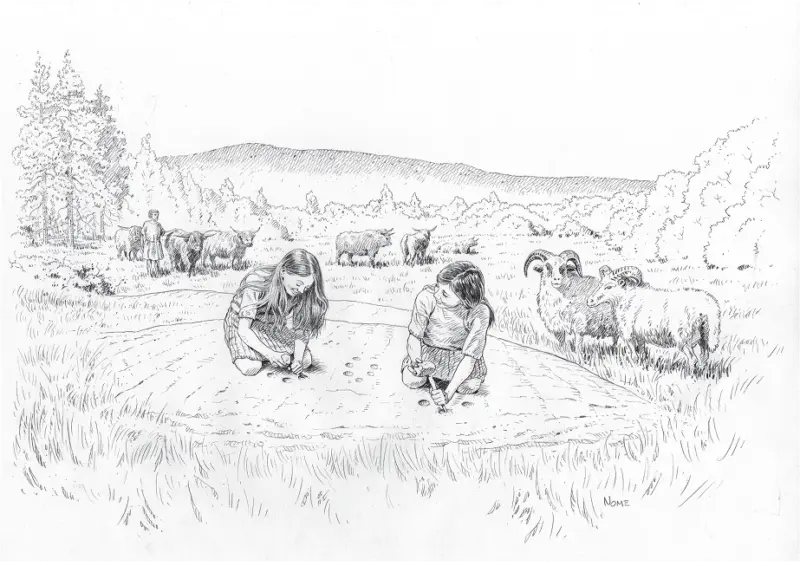
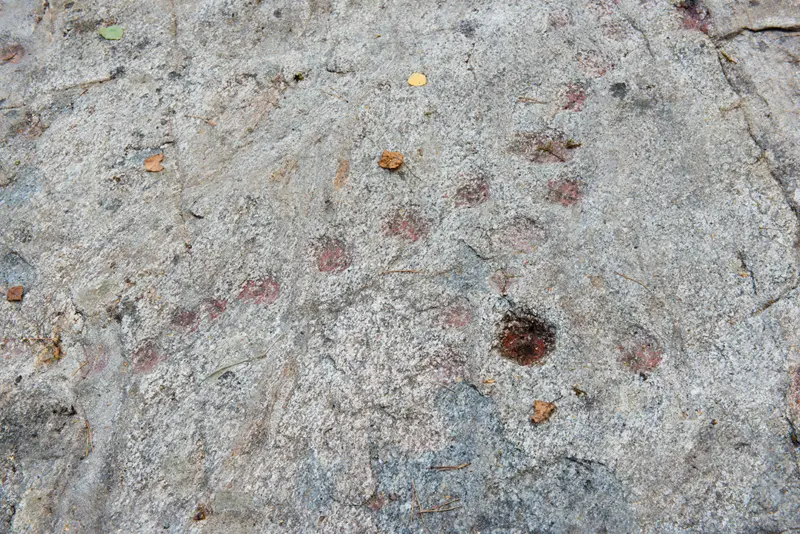
The cup-marks that have been mapped out on the Cultural Heritage Path (Kulturminnestien) at the top of the hill are depressions that have either been carved or cut into the rock and are typically found in what was then pastures. The cup-marks have a diameter of between four to eight cm, and were sculpted in the granite in the transition from the Bronze Age to the Iron Age. We know very little about these cup-marks, but as they were discovered in areas that were used for grazing and agriculture, they could have been sacrificial pits, used in prayers for good crops.
Agriculture and live-stock farming
Both physical findings and written sources show that the Ekeberg landscape has been formed by several thousand years of agriculture and live- stock farming. Archaeological findings of clearing piles and settlements show that the area has been farmed since the early Iron Age. We also have written sources from the Middle Ages that describe large farms at Ekeberg. In addition, there is evidence that indicates that Ekeberg Manor (built ca. 1770–76) is built on top of a much older farm.
Ekeberg has been a richly cultivated land and an area where humans have gathered resources for thousands of years. We have utilised the area extensively, something that has influenced the appearance of the surrounding nature today. The name Ekeberg probably stems from the Middle Ages. The oldest known name was Eikaberg. Eika translates to oak, and berg to hillside. The name dates from a period when the area was full of tall, beautiful oak trees. It is believed that in the middle of the 1600s the whole forest was cut down to build ships. Today there are only a few registered oak trees left. You can find one on the hill just in front of the Ekeberg restaurant.
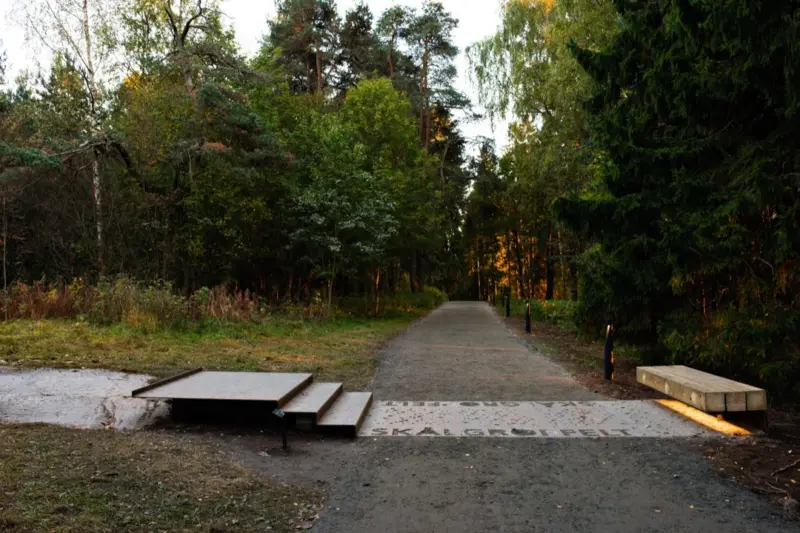
When planning the sculpture park, it became important to mediate this cultural heritage to the public. The landscape architects Bjørbekk & Lindheim did this by putting up signs, lighting, and signage marking the places of cultural heritage along the paths using steel plaques and frames, as can been seen in the Cultural Heritage Path behind Ridesletta. The archaeological findings were collected and are today exhibited in the museum in Lund’s house.
Sources / Further reading:
Flaa, T. (2017). Hvordan kunne eiketrærne på Ekeberg forsvinne på noen år?. Oslo syd, 2017 (4): 7
Holm, E. D. (2014). Skulpturer, skog og en mesen. Arkitektur-N, 2014 (1):70-77 Jarnøy, D. (2003).
Stamhuset Ekeberg hovedgård – i gode, men mest dårlige tider. Oslo: Bekkelagshøgda lokalhistoriske forening (BLF) www.eikaberg.org
Jarnøy, D. (2015). Lokalhistorie ved Ekebergskråningen. Fra Gamlebyen til Brannfjell de siste 300 år. Oslo: Bekkelagshøgda lokalhistorie forening (BLF)
Jørgensen, K.(2015). Ekebergparken, landskap og demokrati. Nordlit 2015 (36): 129-142
Historical timeline
A Public Park Anno 1900
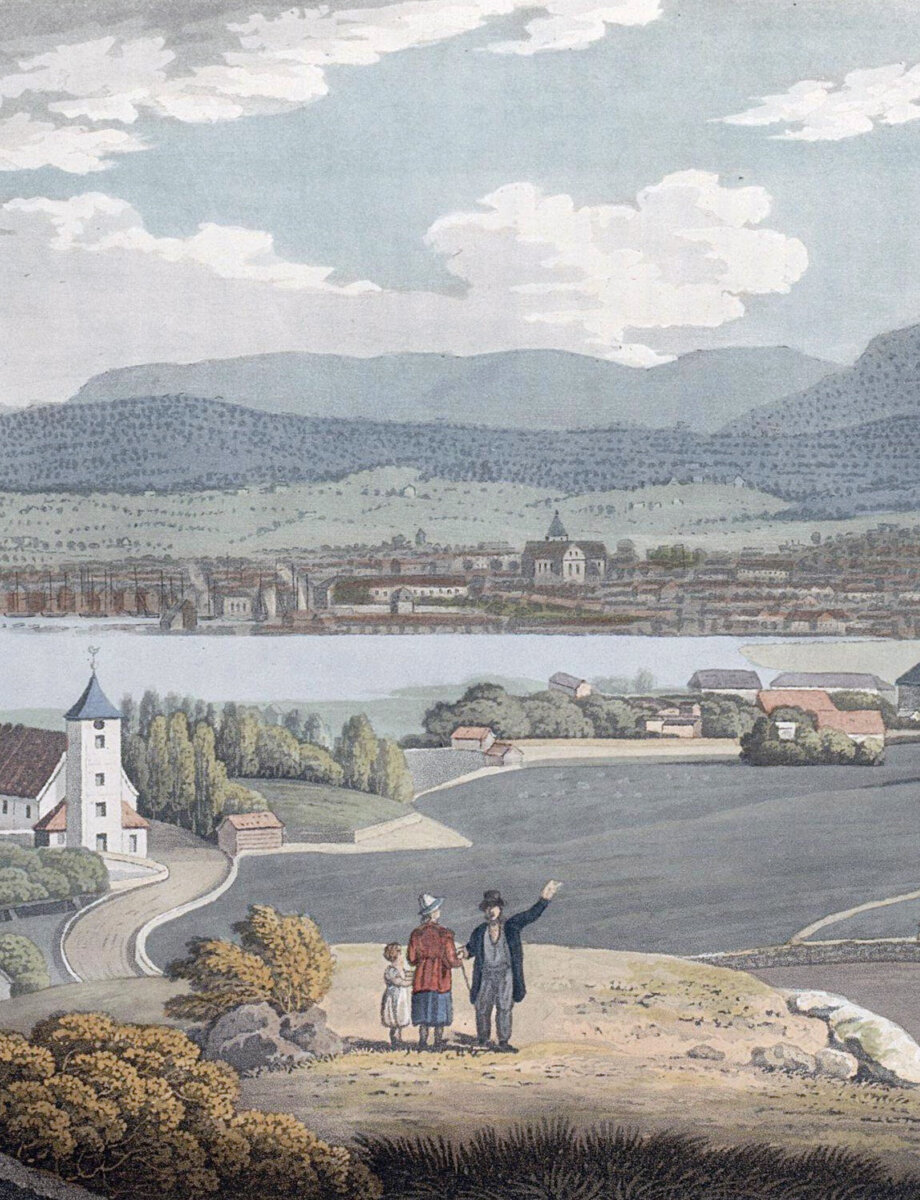
In 1889 the City Council bought a large private property at Ekeberg, with the intention to create a recreational area for the inhabitants of Kristiania.
The War Cemetery
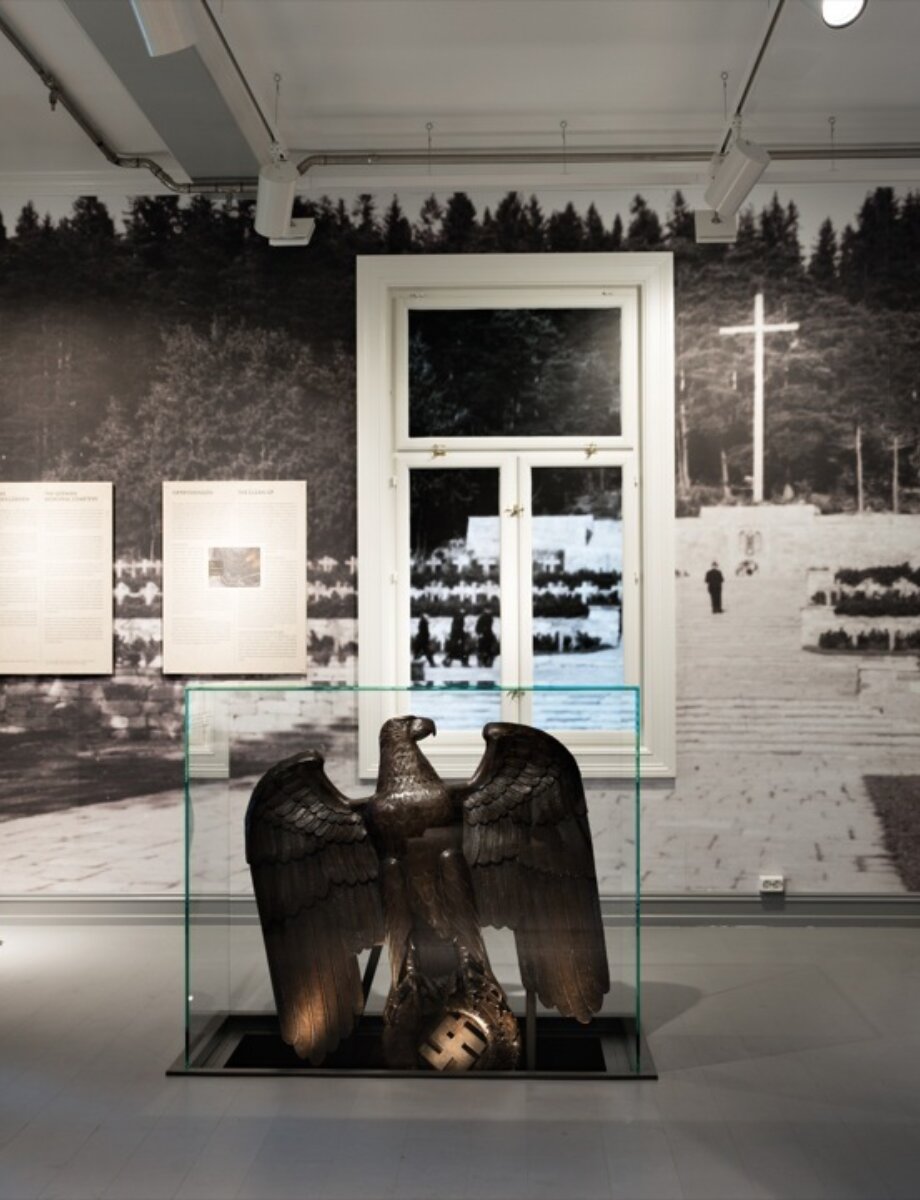
The Ekeberg area, with its steep hillsides, the plateau and the striking view of the city and the fjord, was seen as a strong strategic and military point for centuries, and for the occupying forces during World War II.
Post-war
The whole of the Ekeberg area was cleared after the war. It became important to make sure the park was safe to use, but also important to get rid of the highly symbolical war cemetery as quickly as possible.
The establishment of Ekebergparken
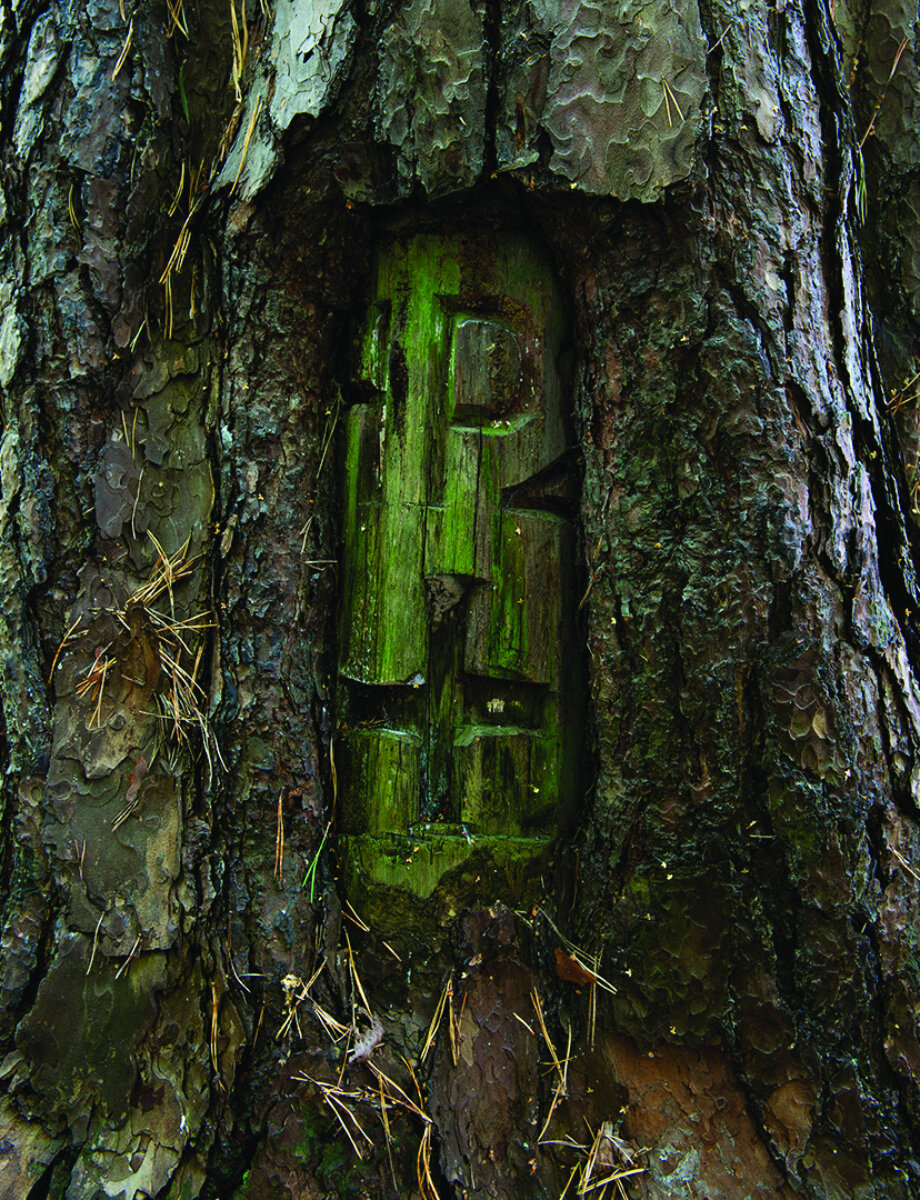
The Ekeberg Park officially opened on 26th September 2013. Around fifty representatives from the Norwegian and international press attended. The reviews were overwhelmingly positive. Ekebergparken has since figured in many listings of the best sculpture parks in the world.