Historical timeline
Post-glacial Rebound
8400 BC
The large masses of ice that covered the land during the last ice age weighed down heavily on the land. As the ice gradually melted, the land started to rise. This is why we find the oldest settlements at the highest points, such as at Ekeberg.
Hunter-gatherer Society
7300–5900 BC
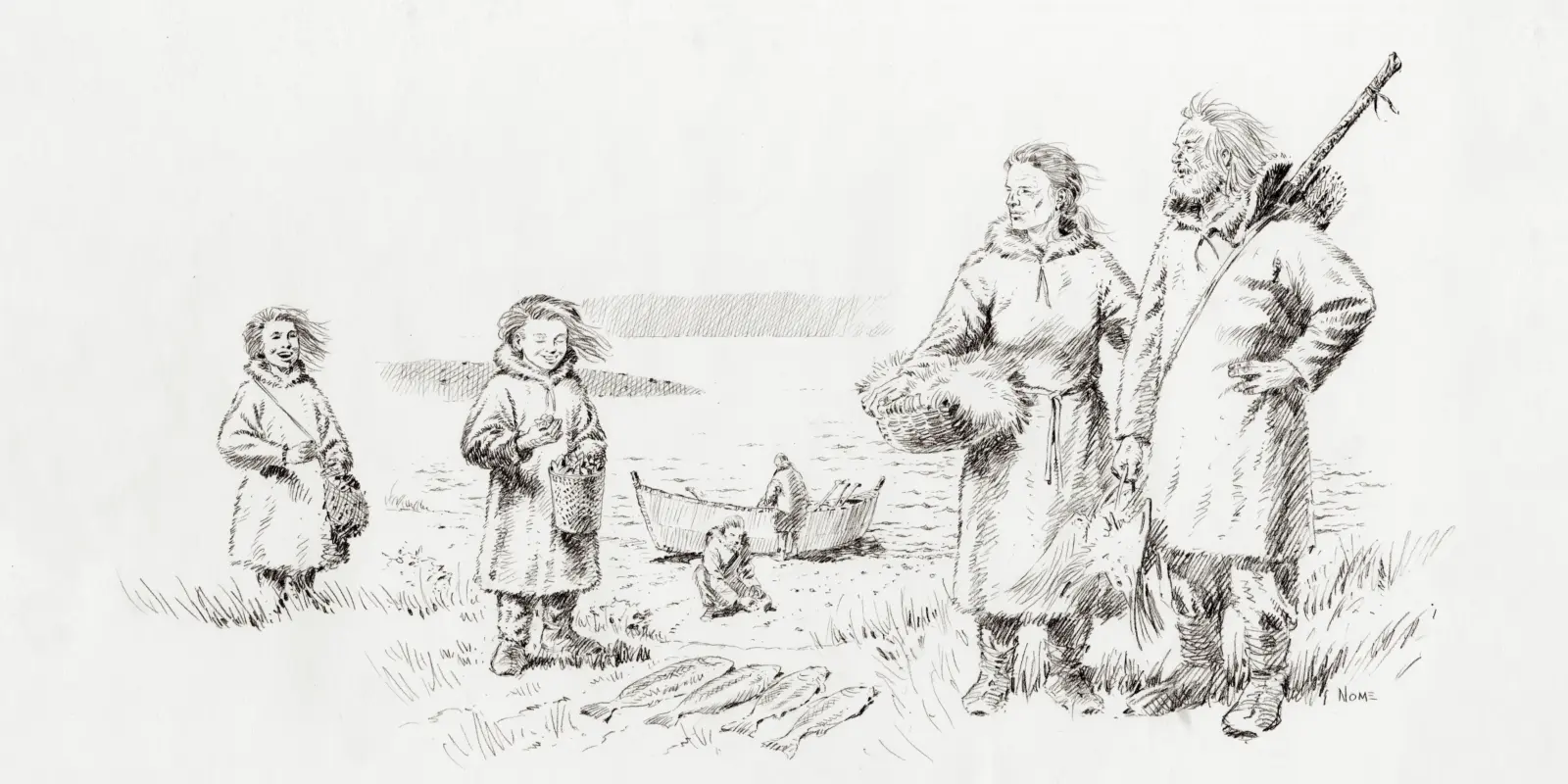
Before agriculture, people lived off hunting, fishing and gathering. Good hunting areas were valuable and at Ekeberg traces of activities and materials typical of these societies have been found, such as worked flint pieces.
Rock Carvings
4500 BC
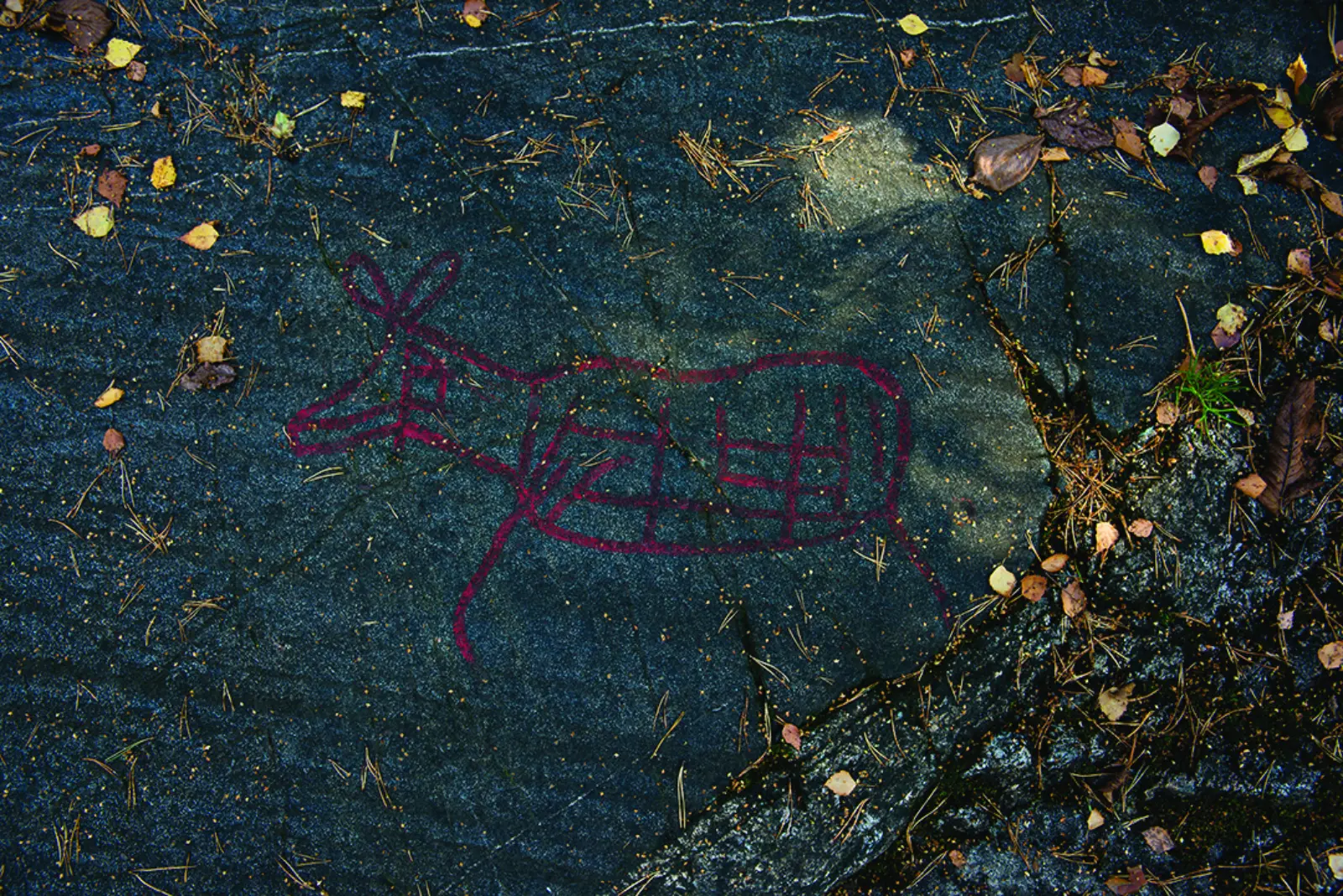
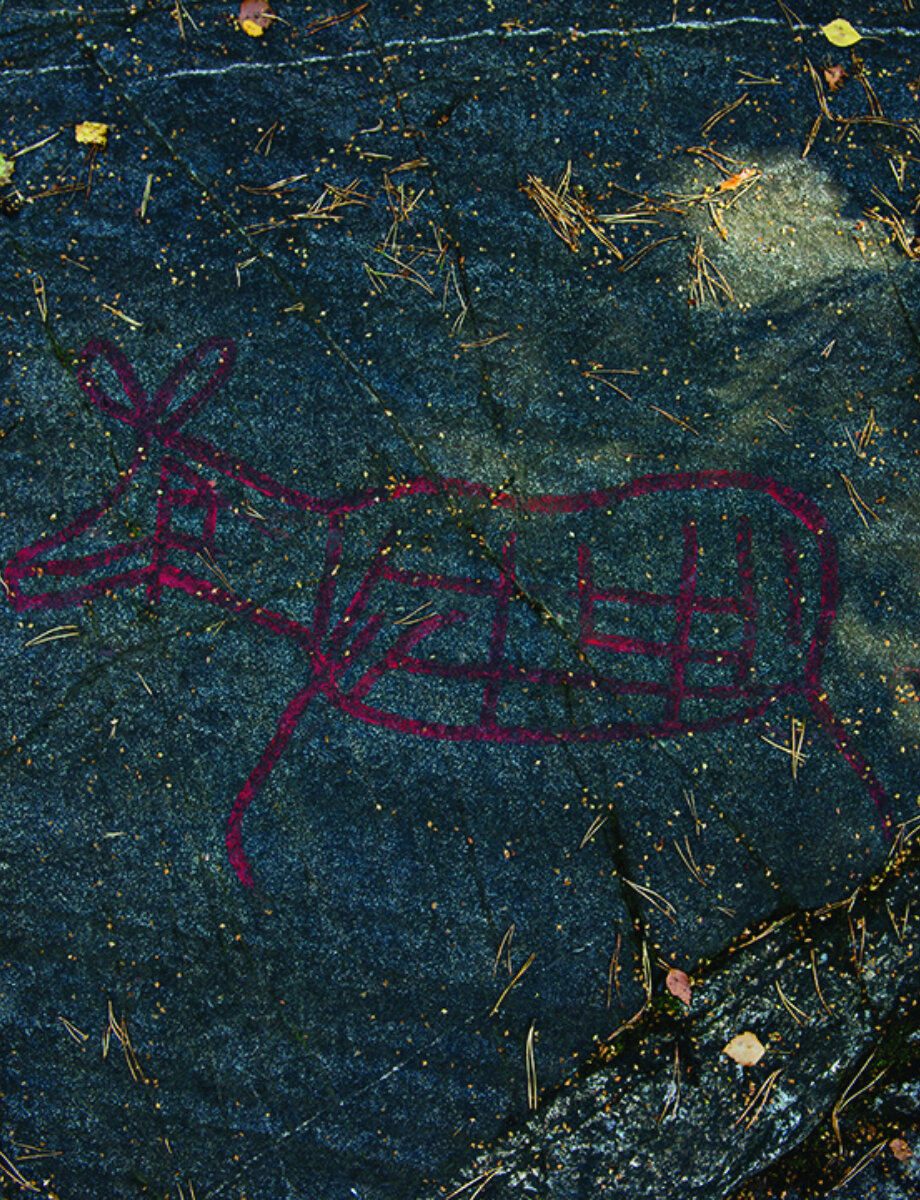
The rock carvings at the old nautical college, which today houses Kongshavn upper secondary school, are ca. 7000 years old and one of Oslo’s very few known petroglyphs.
Agrarian Society
4000–800 BC
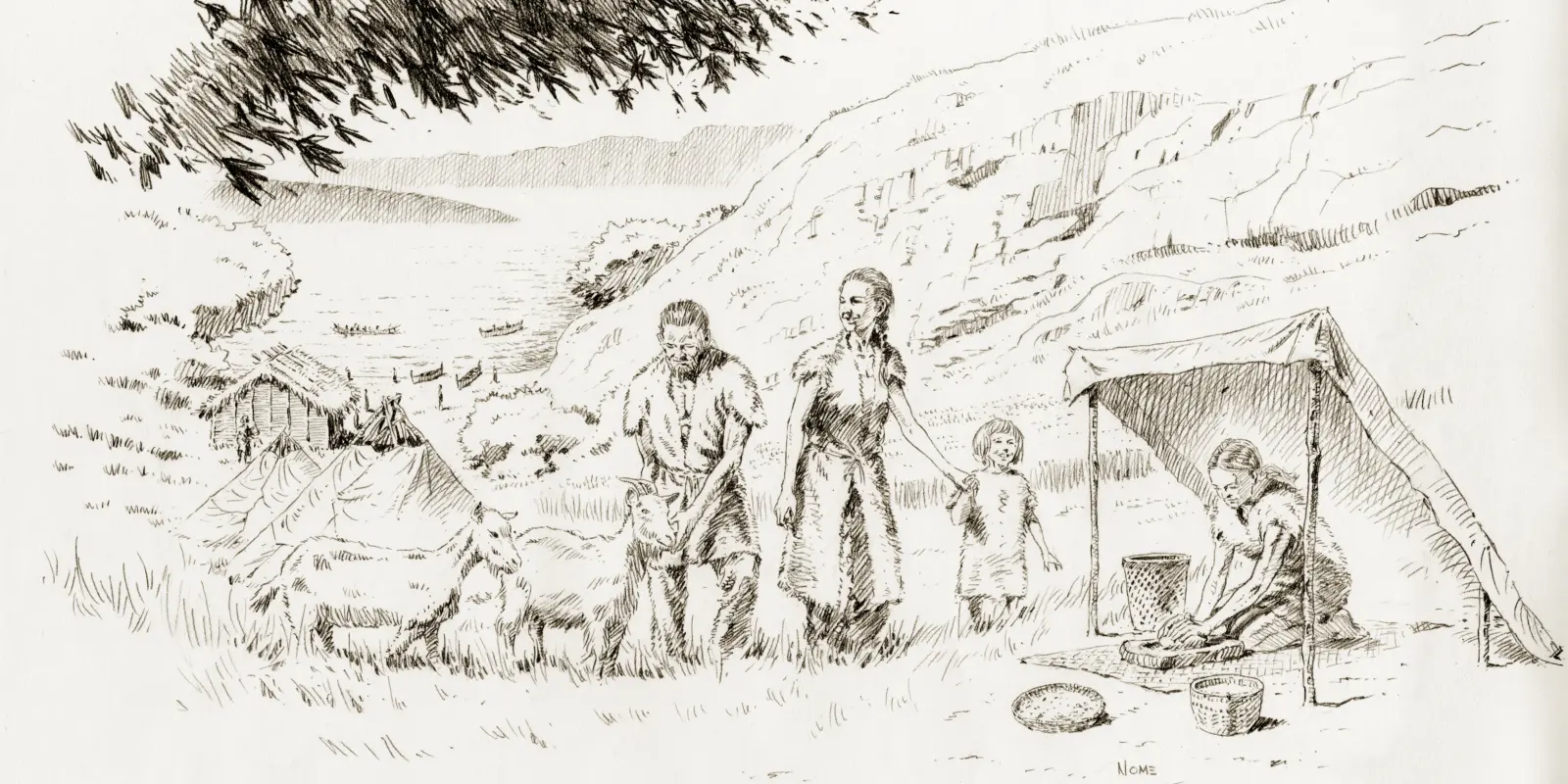
When knowledge of agriculture reached Scandinavia, society changed. Most people settled in one place and kept animals. Parts of Ekeberg show how the landscape was converted into cultivated areas.
Stone Fences
500 BC - 0
The ground was cleared of rocks in order to be cultivated, and stone fences were made to separate arable land and outlying fields.
Burial Mounds
500 BC - 570 AD
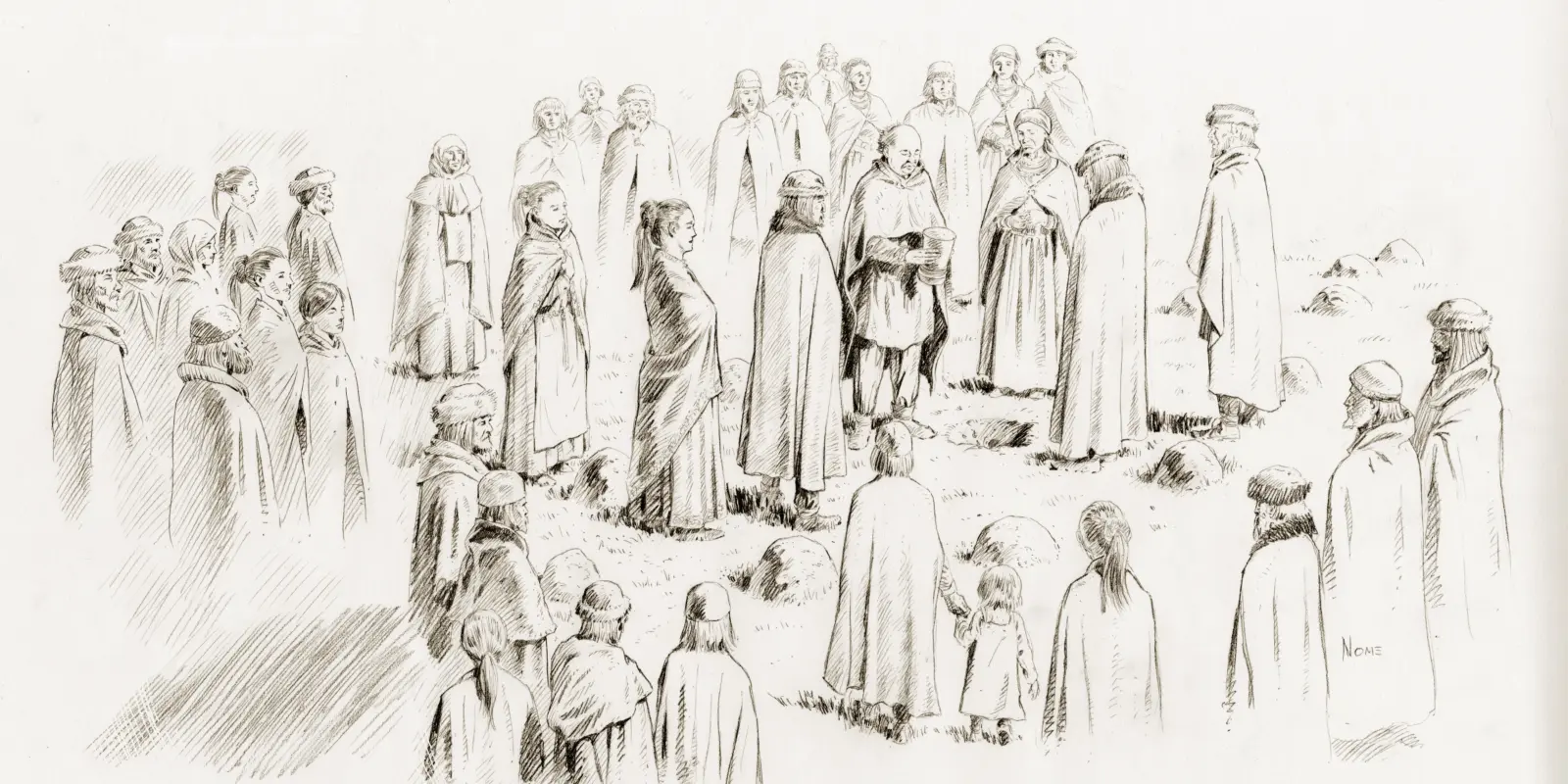
Graves from many different eras have been found at Ekeberg. Some are probably as early as the Bronze Age, but most are early Iron Age and Viking era, ca. AD 500–900.
Medieval Times
900 - 1500 AD
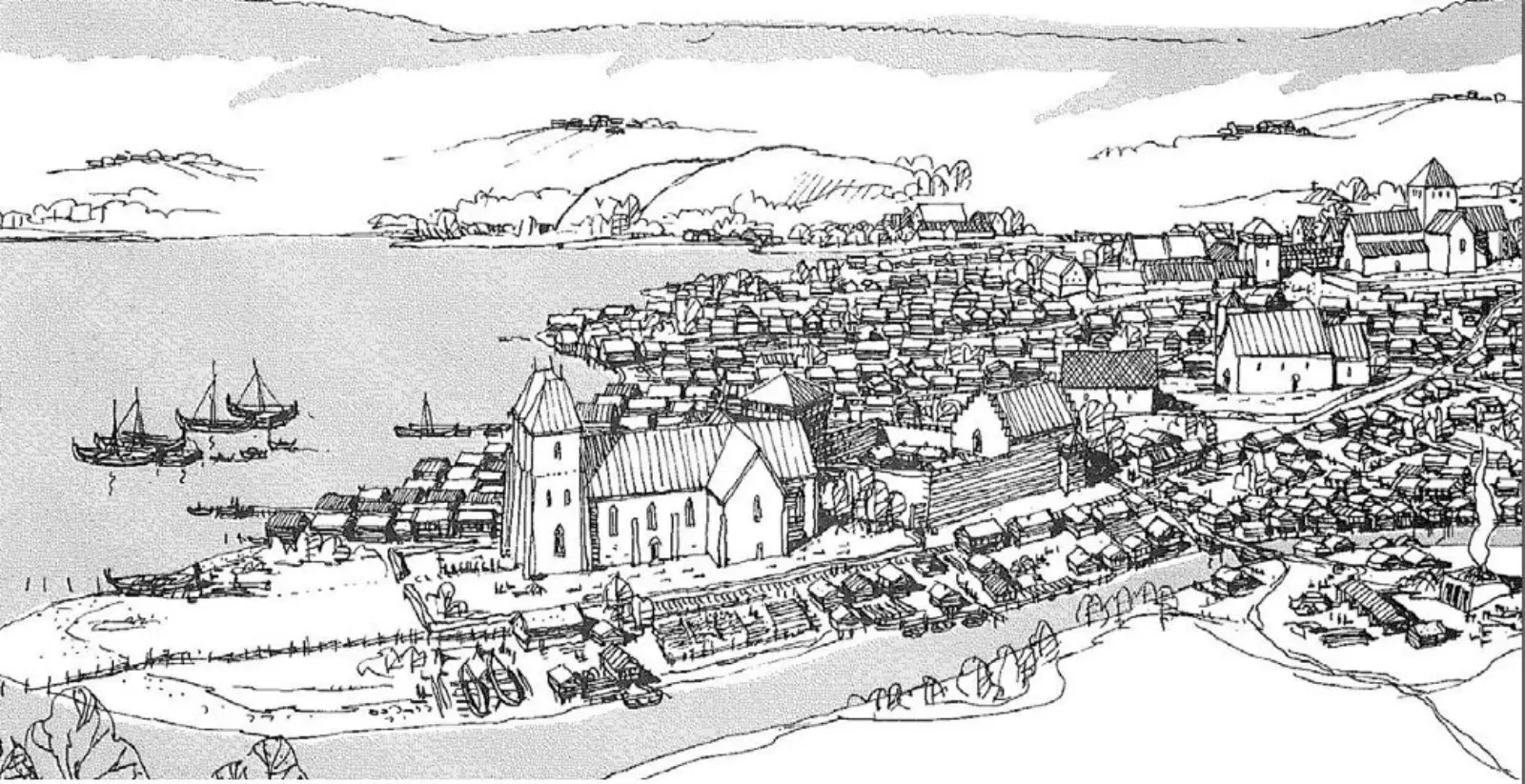
After Norway became a Christian nation, king and church took over from local chiefs and landowners, and old Norse beliefs were in decline. At Ekeberg there was most likely a large and rich farm, which fell into the hands of the church.
The Battle of Oslo, April 21st
1240
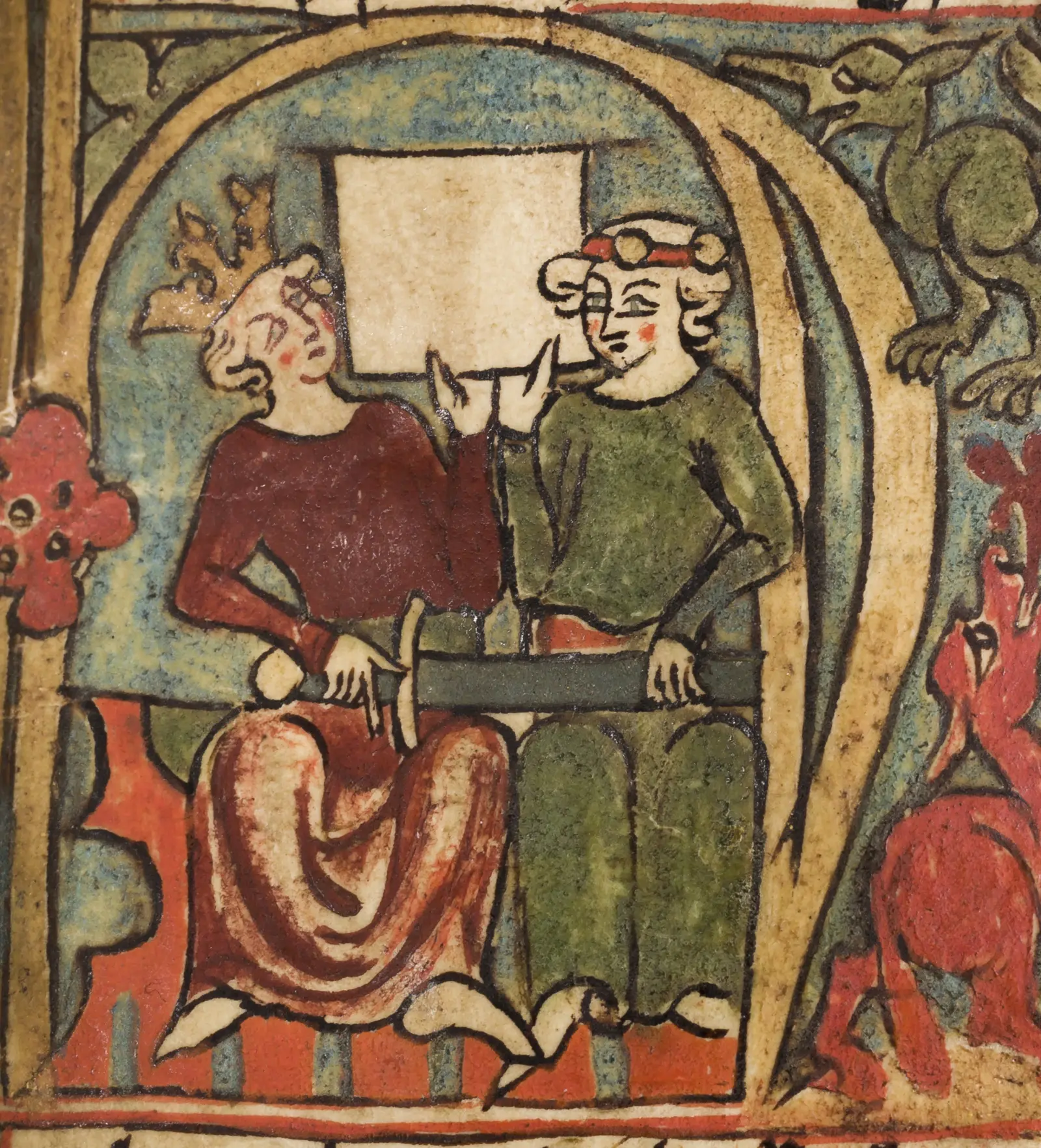
The battle of Oslo between Håkon Håkonsson and Duke Skule Bårdsson changed Norwegian history. The duke attempted to take the crown – from his own son in law. The King arrived by sea and the King’s supporters, Birkebeinerne, landed at Eikabergstøa, below Ekebergskråningen. They chased the duke and his forces out of town, ending the rebellion.
The Nordic Seven Years' War
1567
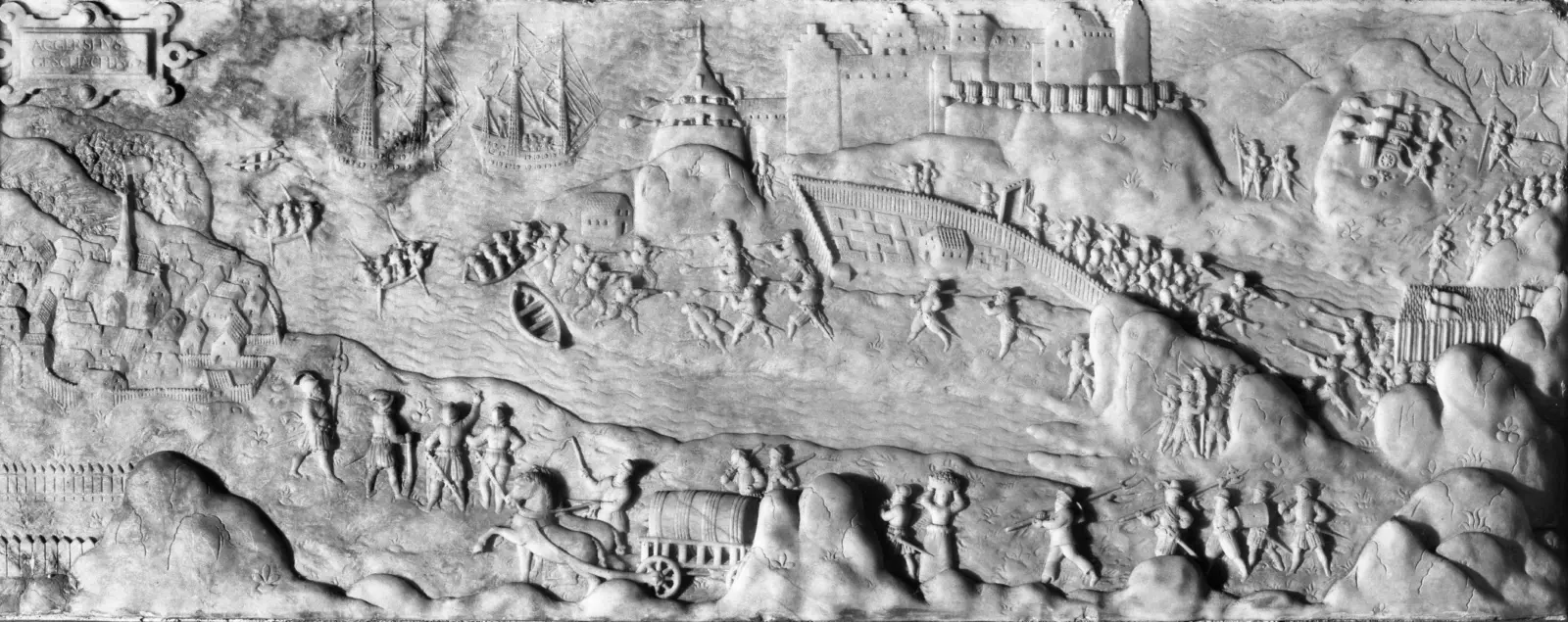
Between 1563 and 1570 a war raged for dominion in the Nordic countries. Norway was part of Denmark and at Ekeberg on 18th May 1567 there was a battle between Swedish and won the first round but were beaten five days later. The location of the battle is named after the events; Svenskesletta.
The Ekeberg Farm
1614
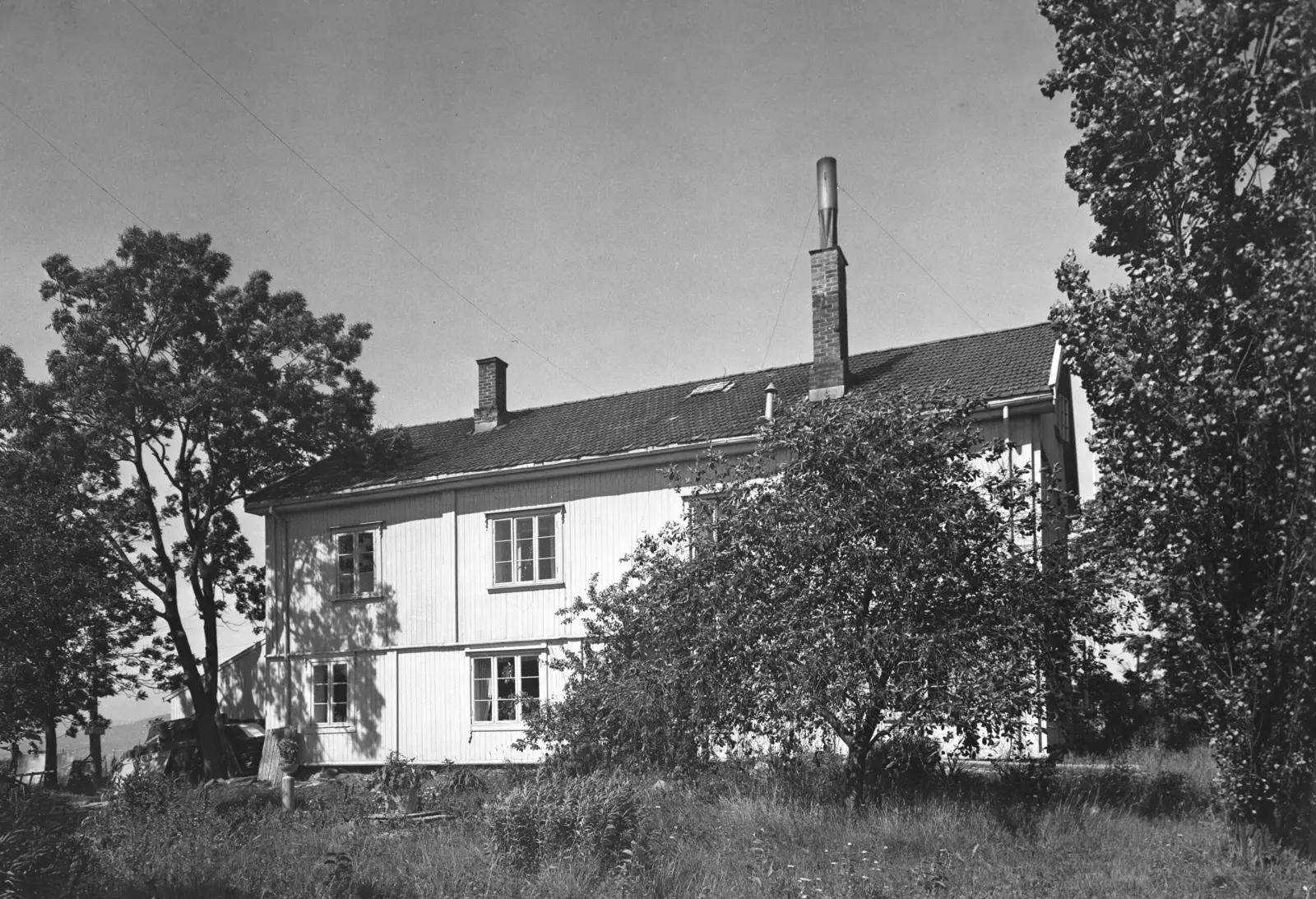
The farm at Ekeberg was taken into the king ́s ownership after the Norwegian reformation in 1537. During the 1500s it was in periods left uninhabited. In 1582 the farm was made available to the city’s residents as pastures, and in 1614 it was established as a civil servant’s farm. Construction on the current building began in 1771.
Kongeveien
1703
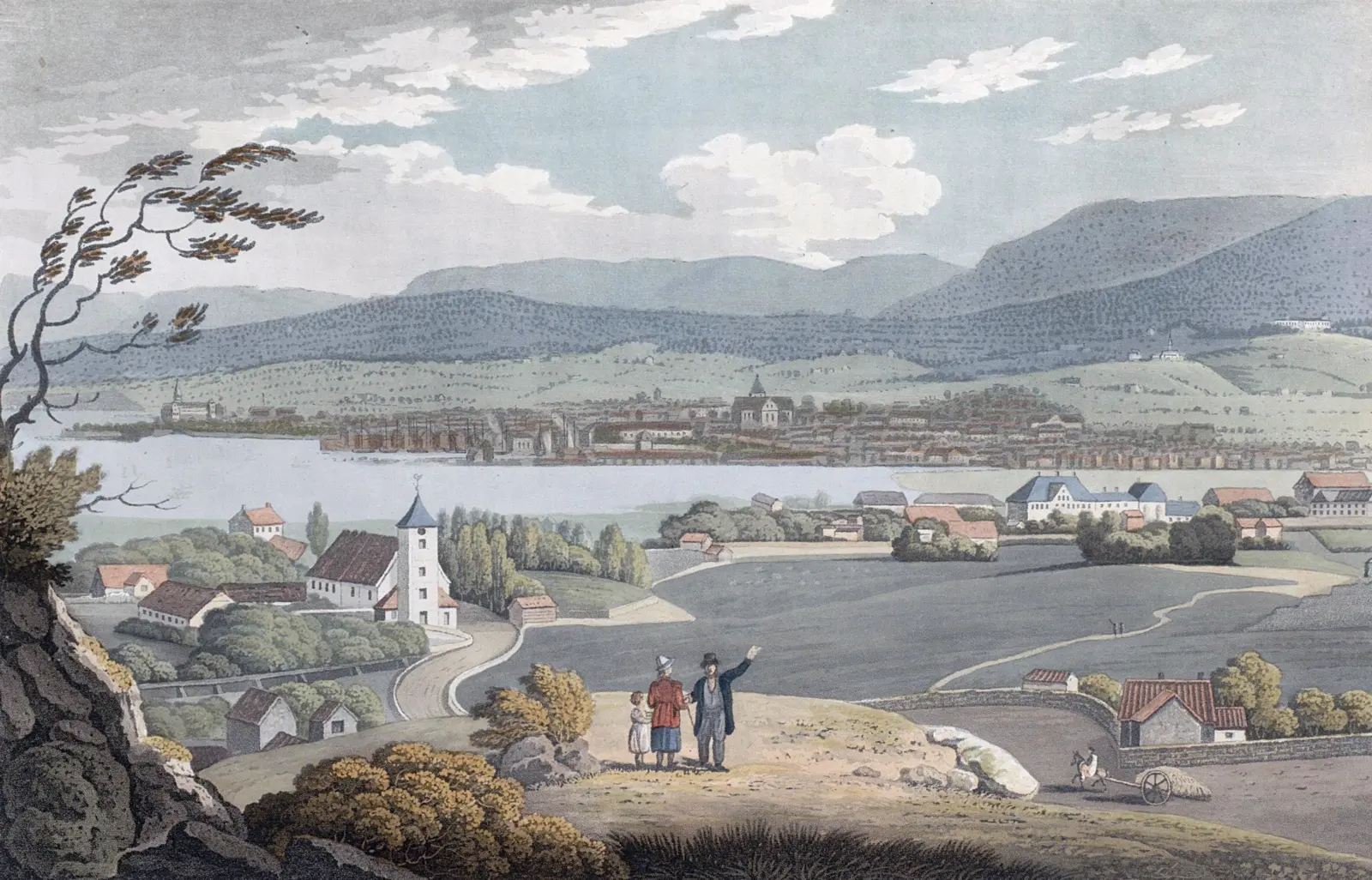
The oldest road to Oslo ran along the hills from the south and across Ekeberg. Together with the sea route, this later became the city’s main route to Copenhagen and Europe.
The Alum Works
1737 - 1815
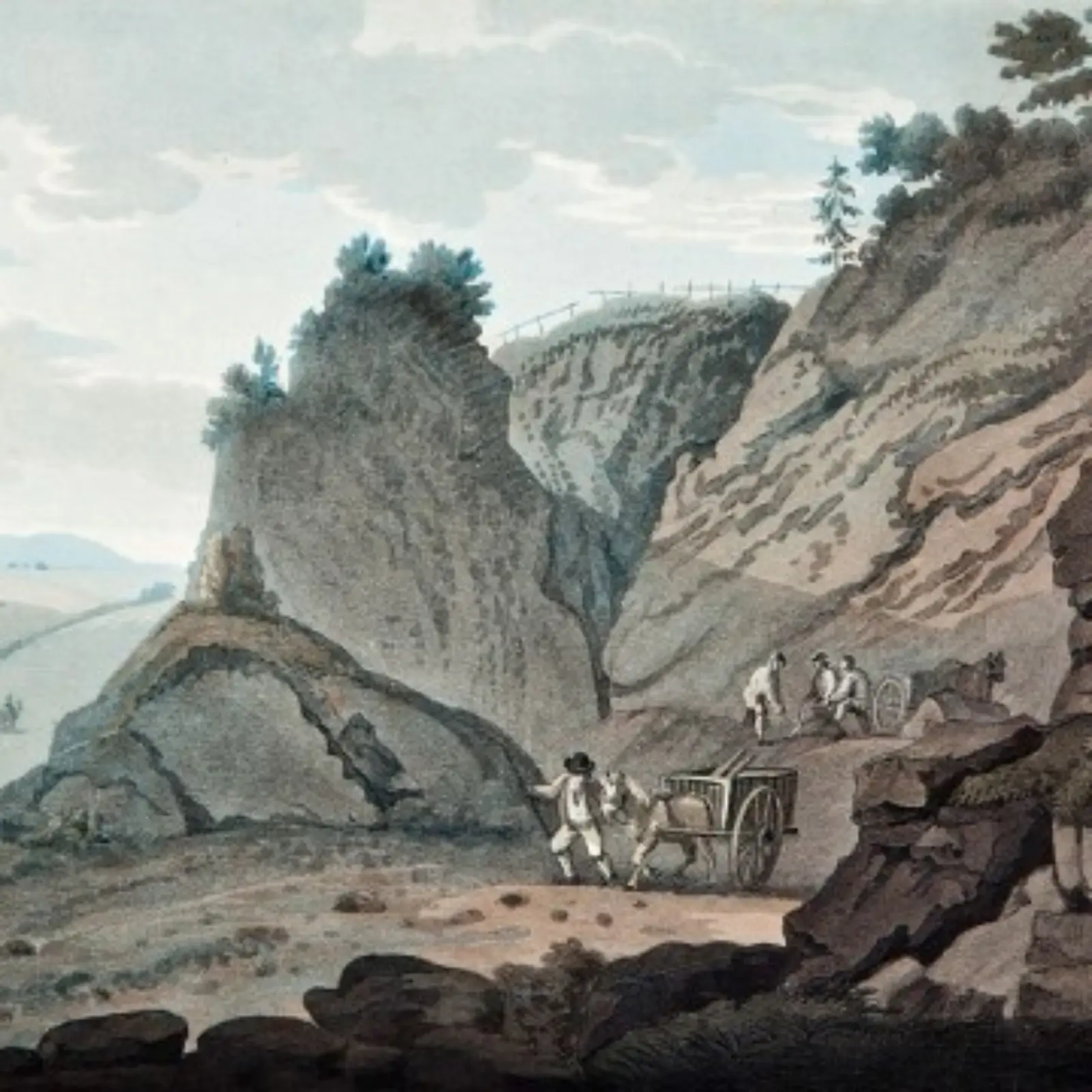
The Alum Works at Ekebergskrenten were founded in 1737 by Peder Leuch and his cousin Peter Collett. They extracted alum shale and alum salt for garving of hides and dying of textiles, and became one of the largest industries in Christiania. In the 1790s the works had forty-four workers; however, it never became very profitable and was shut down in 1815.
The Public Park
1889
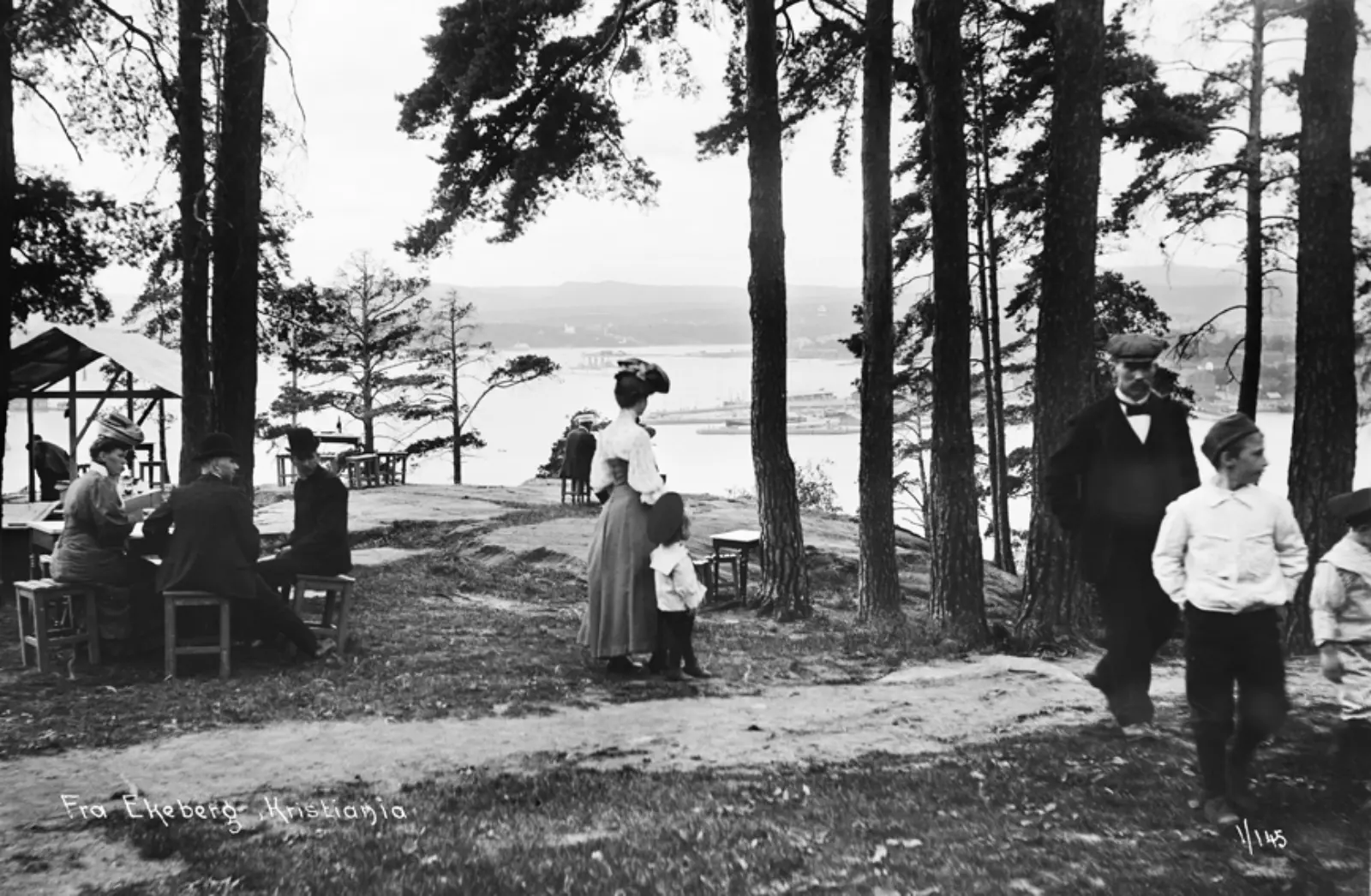
Ekebergskråningen was bought by Christiania municipality and made into a public park in 1889 “to benefit the health of the citizens”.
The Ekeberg Restaurant
1916
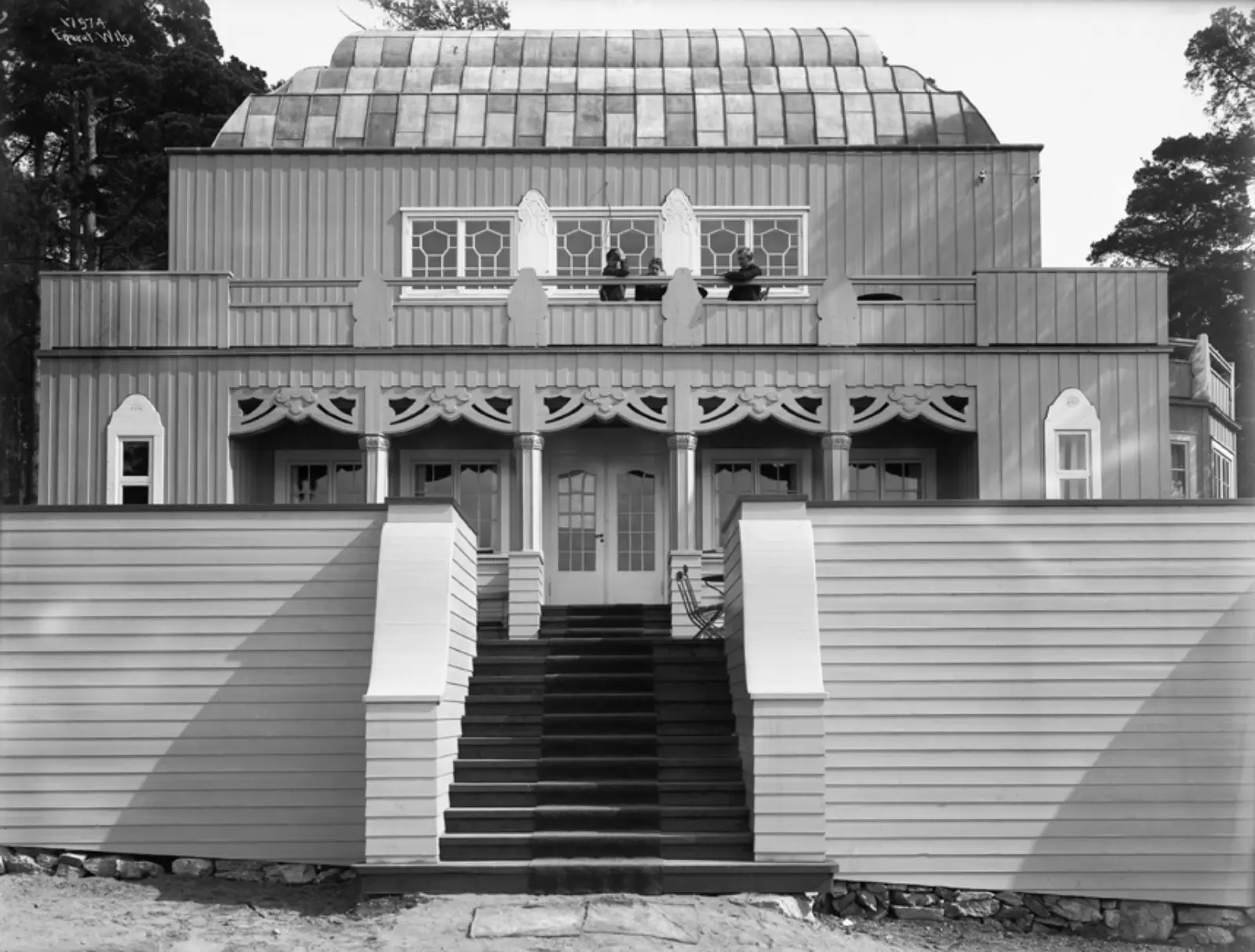
The first Ekeberg restaurant and the water reservoir was built in 1916, and the Ekeberg rail line opened along Kongeveien in 1917. The restaurant quickly became a popular place.
The Airship Norway
1926
24th April 1926, the airship Norge (Norway) landed on the Ekeberg plain. Norwegian explorer Roald Amundsen, American explorer Lincoln Ellsworth, Italian airship constructor and officer Umberto Nobile (with his dog Titina), and their crew, embarked on an expedition that was to be the first time any airborne vessel had made the route between Europe and America over the Arctic – dropping their flags over the North Pole. A memorial is placed at the anchorage.
Lars Backer's Restaurant Building
1929
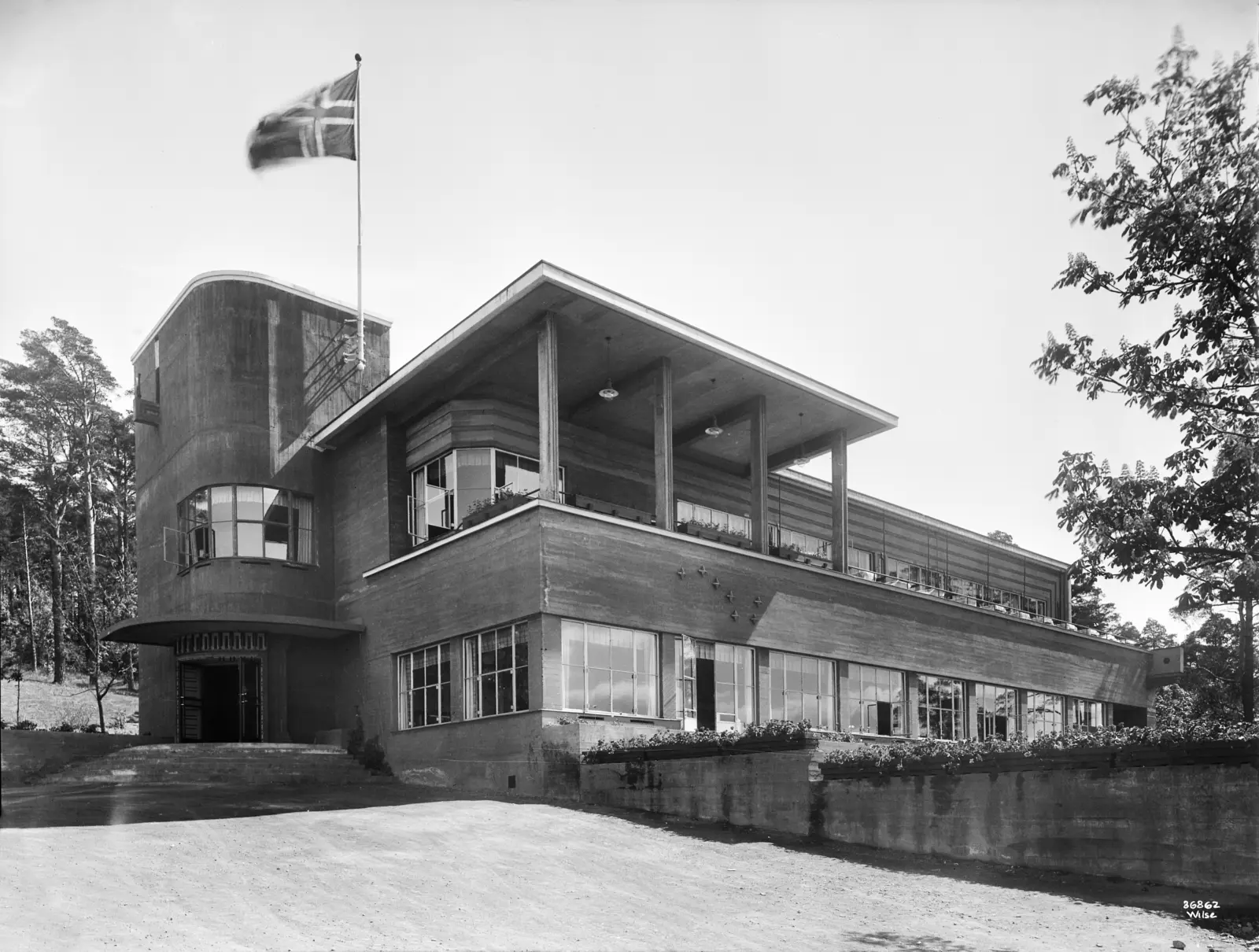
Lars Backer won the competition for a new restaurant building with his proposal Den nye tid (The New Times) in a functionalist style. The restaurant quickly became a popular dining and dancing hall. After many years in business, it closed in 1997.
The German War Cemetery
1940-1945
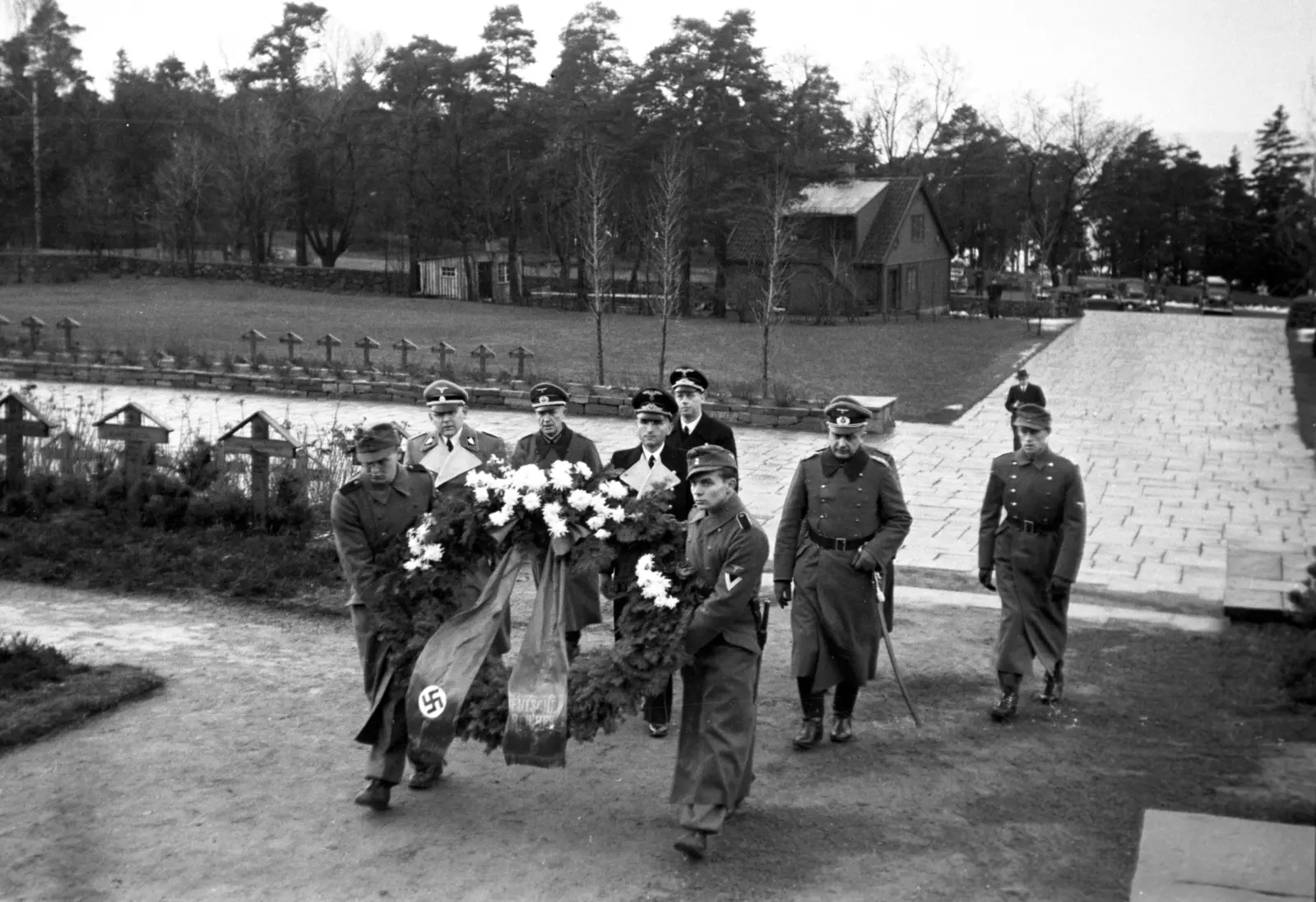
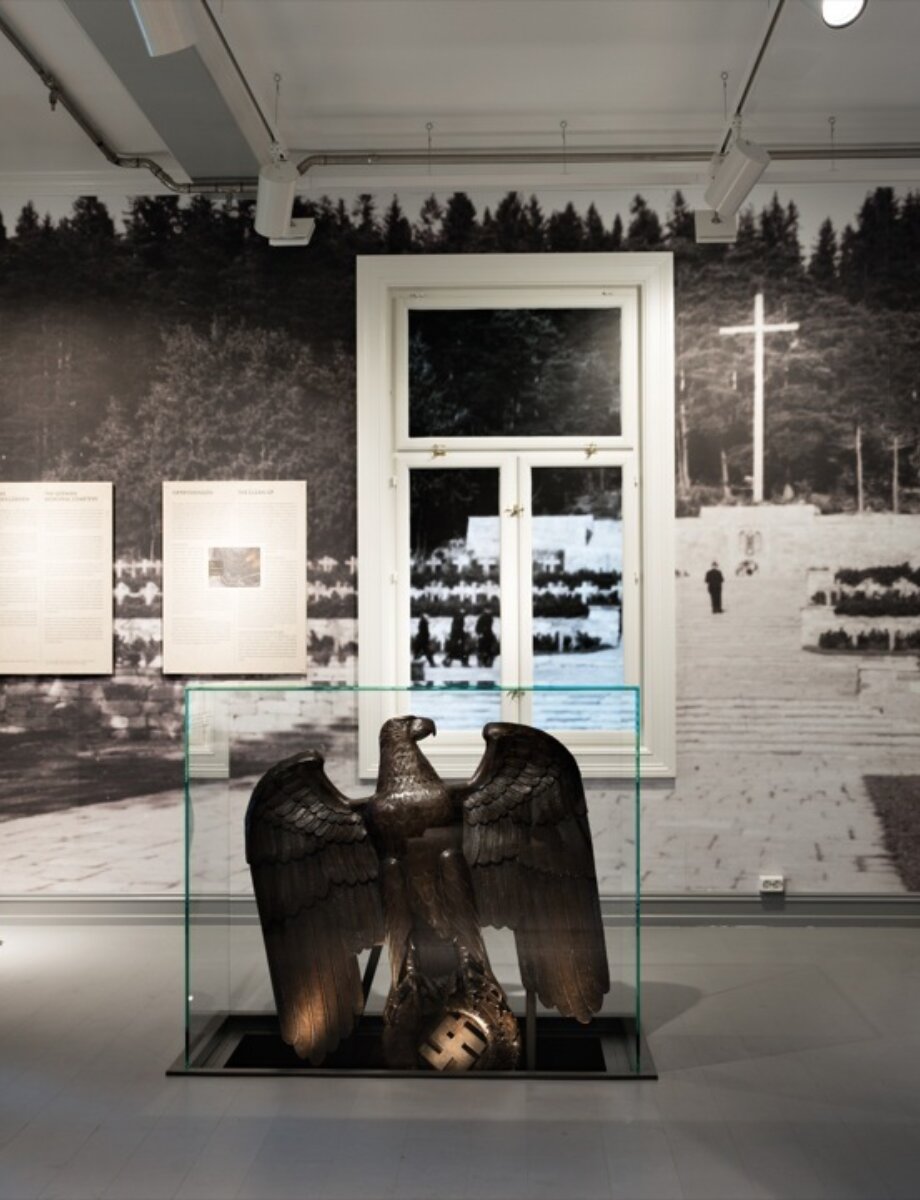
The occupying forces made an honorary cemetery for fallen German soldiers in the area where the staircases by Svenskesletta are placed today.The deceased from Blücher ended up here. After the war, the graves were moved to Alfaset.
The Reopening of the Ekeberg Restaurant
2005
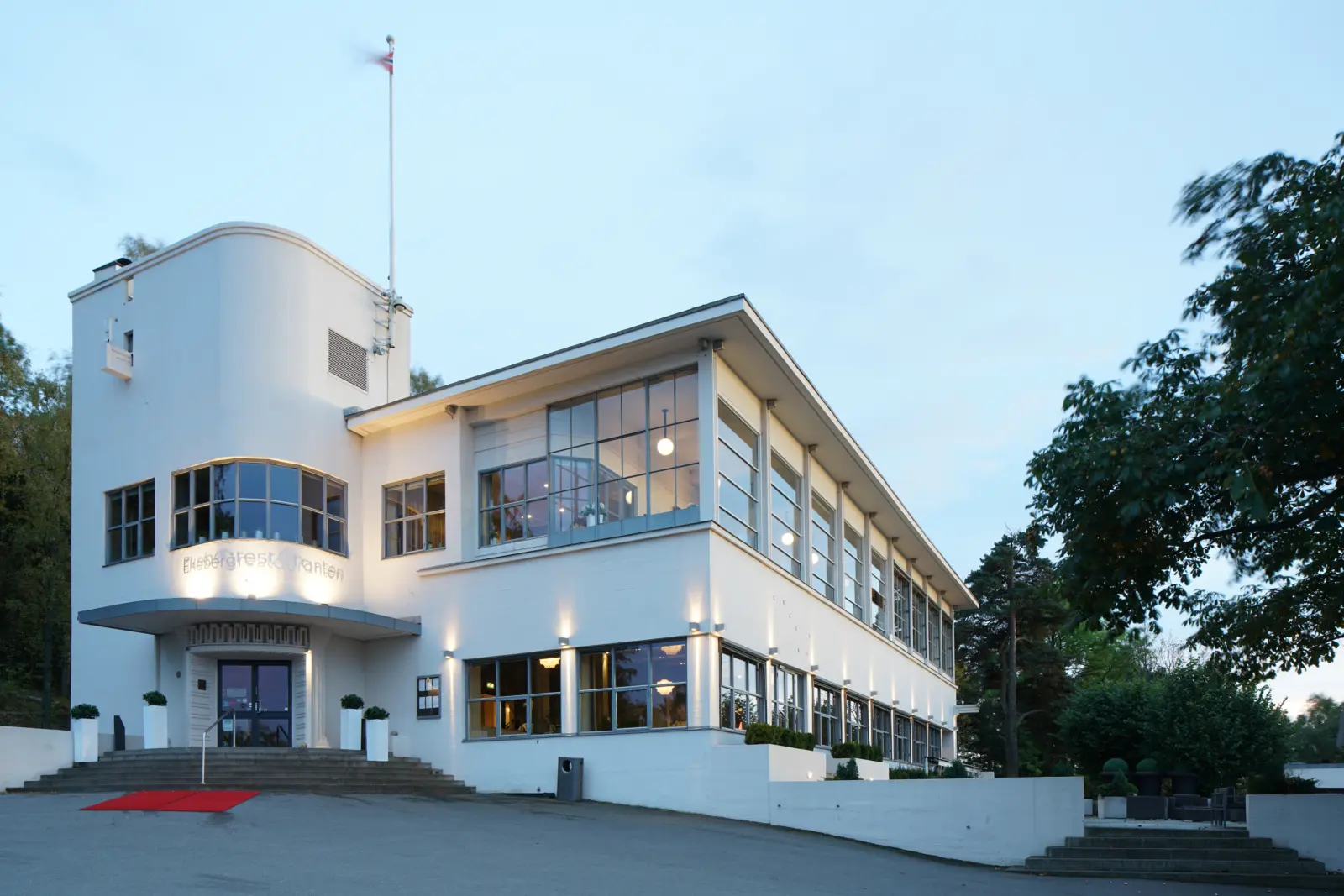
In 2003, Eiendomsspar AS and Christian Ringnes bought the Ekeberg Restaurant. It was in a terrible state, and after extensive refurbishing, it reopened in 2005.
A Municipal Decree
2011
In August 2011, Oslo City Council decreed, with fifty-seven against two votes, a regulation plan for the area to establish a sculpture and cultural heritage park, as well as an agreement between the municipality and C. Ludens Ringnes Foundation. The plan safeguards the unique nature, and historical and cultural heritage in the Ekeberg area.
The Ekeberg Park
2013
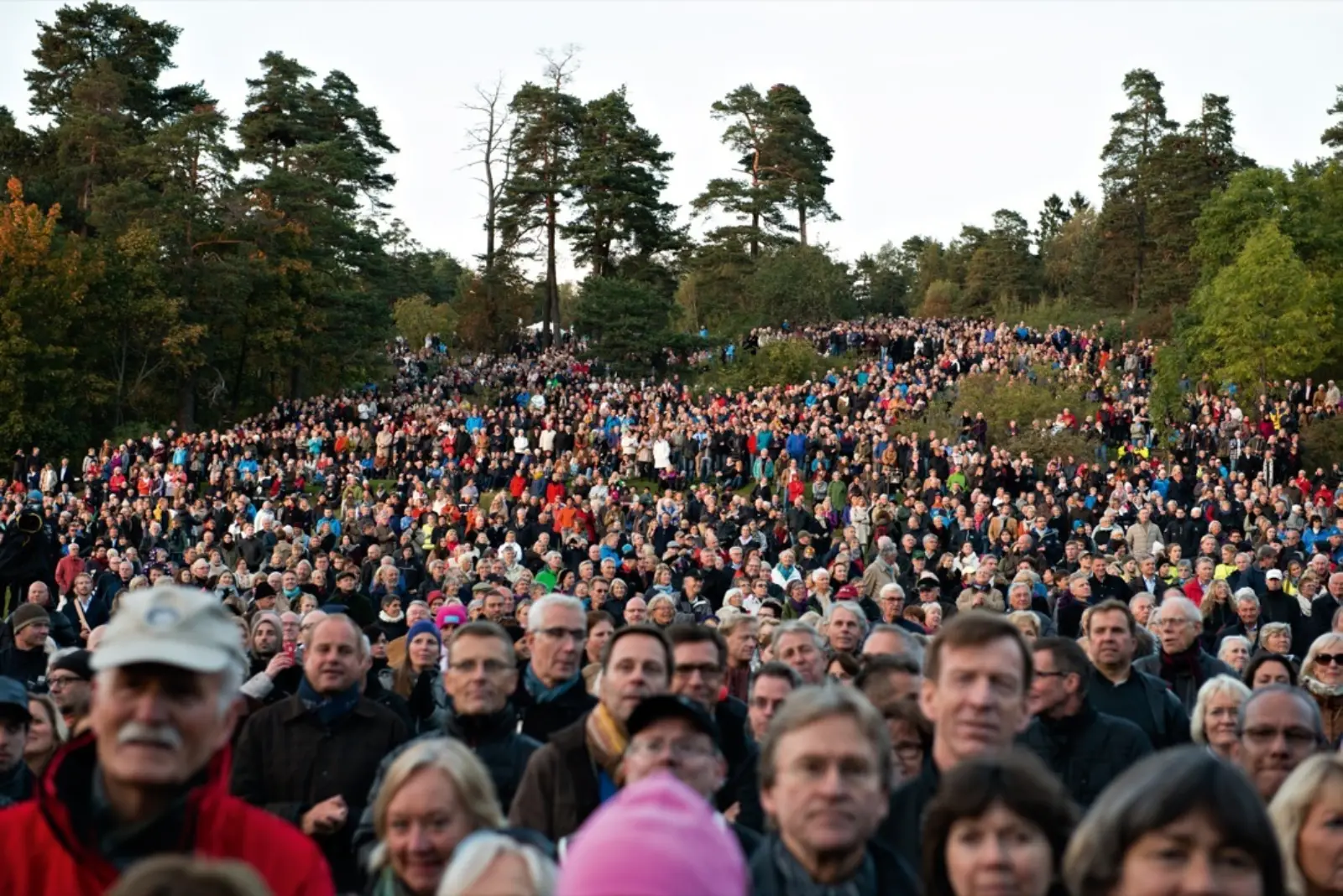
26th September 2013 the area reopened as a public park with thirty-one sculptures and installations by Norwegian and international artists. The buildings were restored and opened for the public. Old roads and paths were cleared and reinstated. Cultural heritage elements were marked, signposted and became an integral part of the sculpture park. After more than hundred years of history, the park had been given a new lease of life.
Cultural Heritage
The comprehensive archeological surveys in preparation for the establishment of the sculptural park in 2011 showed that the cultural heritage at Ekeberg was even richer and more extensive than previously thought.
A Public Park Anno 1900
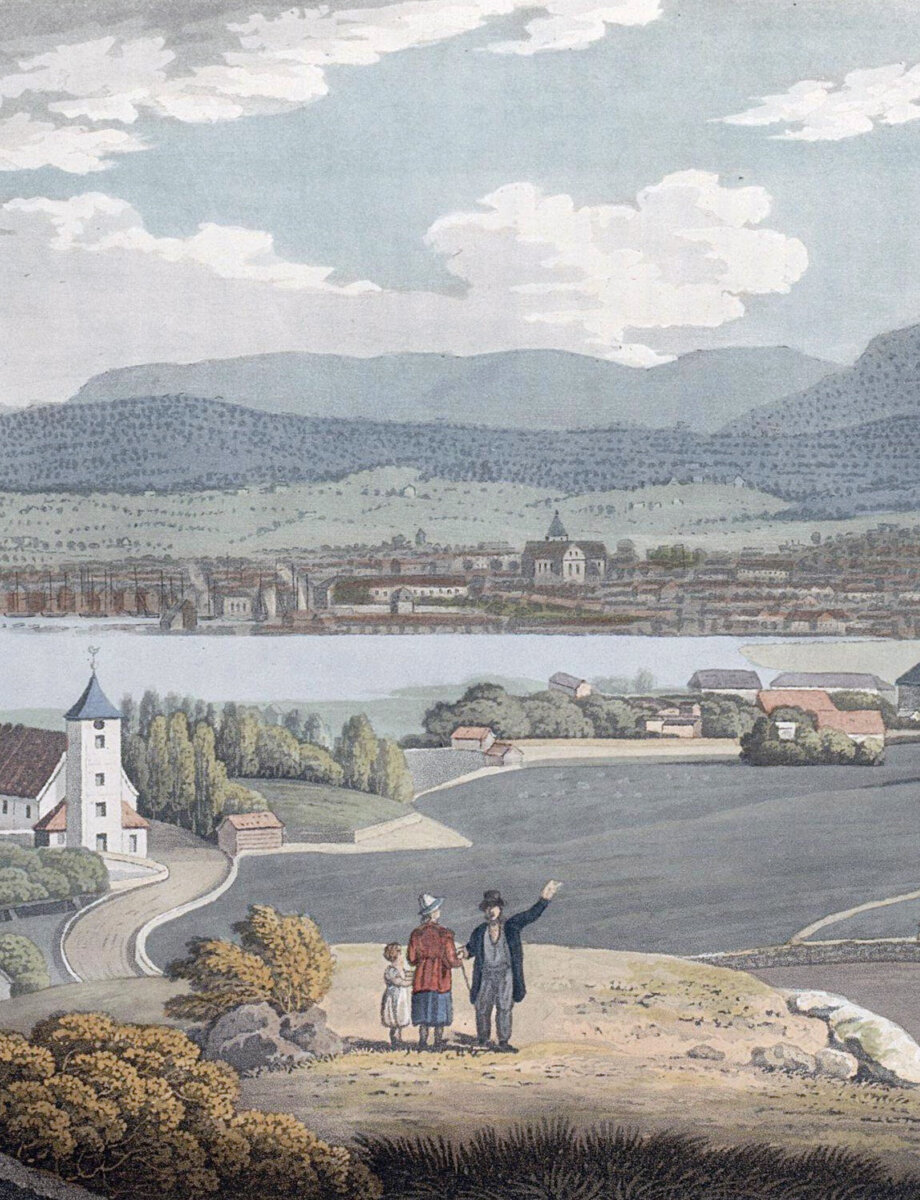
In 1889 the City Council bought a large private property at Ekeberg, with the intention to create a recreational area for the inhabitants of Kristiania.
The War Cemetery
The Ekeberg area, with its steep hillsides, the plateau and the striking view of the city and the fjord, was seen as a strong strategic and military point for centuries, and for the occupying forces during World War II.
Post-war
The whole of the Ekeberg area was cleared after the war. It became important to make sure the park was safe to use, but also important to get rid of the highly symbolical war cemetery as quickly as possible.
The establishment of Ekebergparken
The Ekeberg Park officially opened on 26th September 2013. Around fifty representatives from the Norwegian and international press attended. The reviews were overwhelmingly positive. Ekebergparken has since figured in many listings of the best sculpture parks in the world.