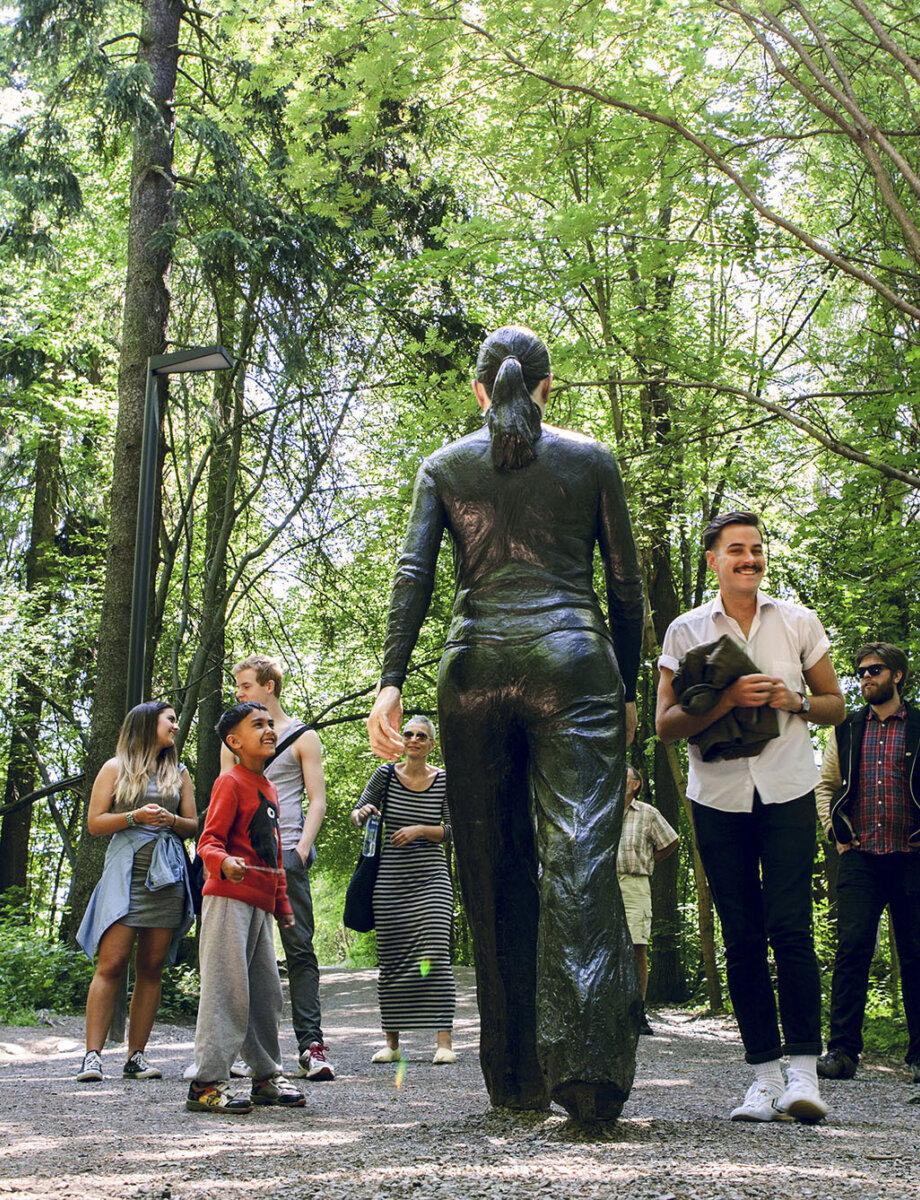
The Public Park Anno 1900
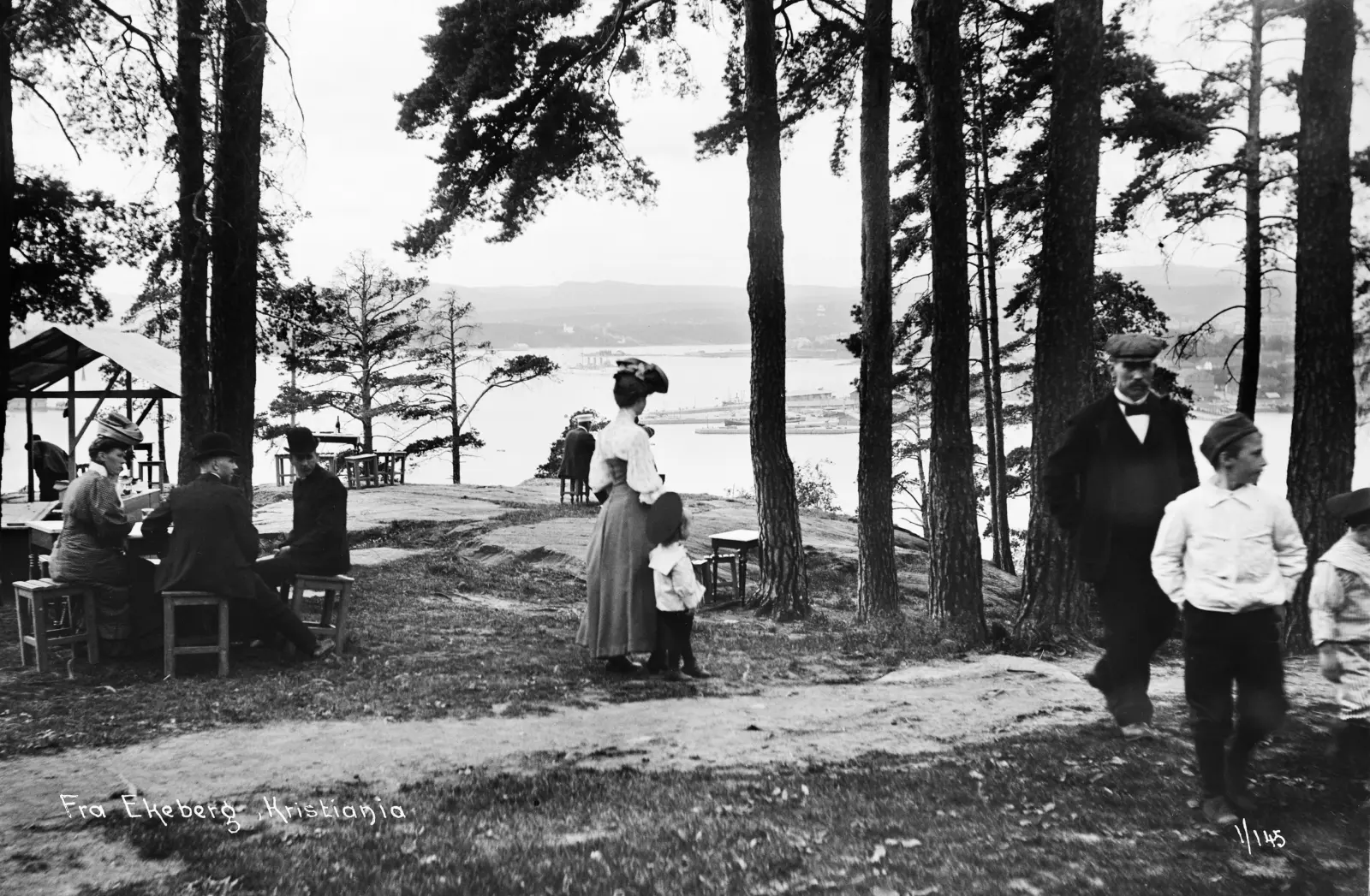
What the surroundings of Holmenkollen and Frognesæteren are to the inhabitants of the west side of town is what the Ekeberg forest is for those who live on the east side.
— Johan Theodor Landmark (1836–1916)
In 1889 the City Council bought a large private property at Ekeberg, with the intention to create a recreational area for the inhabitants of Kristiania. The initiative came from the mayor, Evald Rygh (1842–1913), who wanted to ensure that the people on the east side would have access to nature with fresh air and green surroundings in an otherwise industrial cityscape. In the case documents from 1889, the Christiania Magistrate writes that a public park would maintain the “(...) spiritual, moral and social well-being” of the working classes and “(...) benefit the physical health of the inhabitants.”
The idea that city parks were to be a public responsibility was completely new at the time. The public park at Ekeberg is the first example of the official governing powers in Norway considering the insurance of access to park areas as an important socio- political goal.The proposal to buy parts of the Ekeberg hillside for use as recreational grounds was presented already at the beginning of the 1880s but was met with plenty of resistance, including some who believed that the park would encourage “all sorts of debauchery.” But the City Council saw that the Ekeberg hillside was in danger of being developed even further if they did not buy the area.
In the years that followed, the council secured more land at Ekeberg and had major plans. They wanted to build a hospital, a gondola (this was proposed as early as 1883) and even create an airport at the plains on top of Ekeberg. All of these plans were eventually scrapped. When the public park was established, it was said that the woods were to remain in its natural state, however the area continued to be developed.The first paths were developed just after the turn of the century, and active maintenance continued. The undergrowth was cleared and trees cut down to open the view. Benches, park pockets, stairs, and a music pavilion was added at the beginning of the 1900s, and when they built the first Ekeberg restaurant (1916) and the Nautical College (1917), a water reservoir was also built in the middle of the hill. Today, that water reservoir is home to Ganzfeld and Skyspace by the American artist James Turrell.
Sources / Further reading
Landmark, J. T. (1911). Forestillinger fra docent Landmark om ønsklige foranstaltninger til Ekebergskogens forskjønnelse og nyttiggjørelse. Rettet til Kristiania magistrat og kommunestyre. (dokument nr. 28) Lindheim, T. (2014). Folkeparken på Ekeberg. Arkitektur-N, 2014 (1): 50-57
Historical timeline
Cultural Heritage
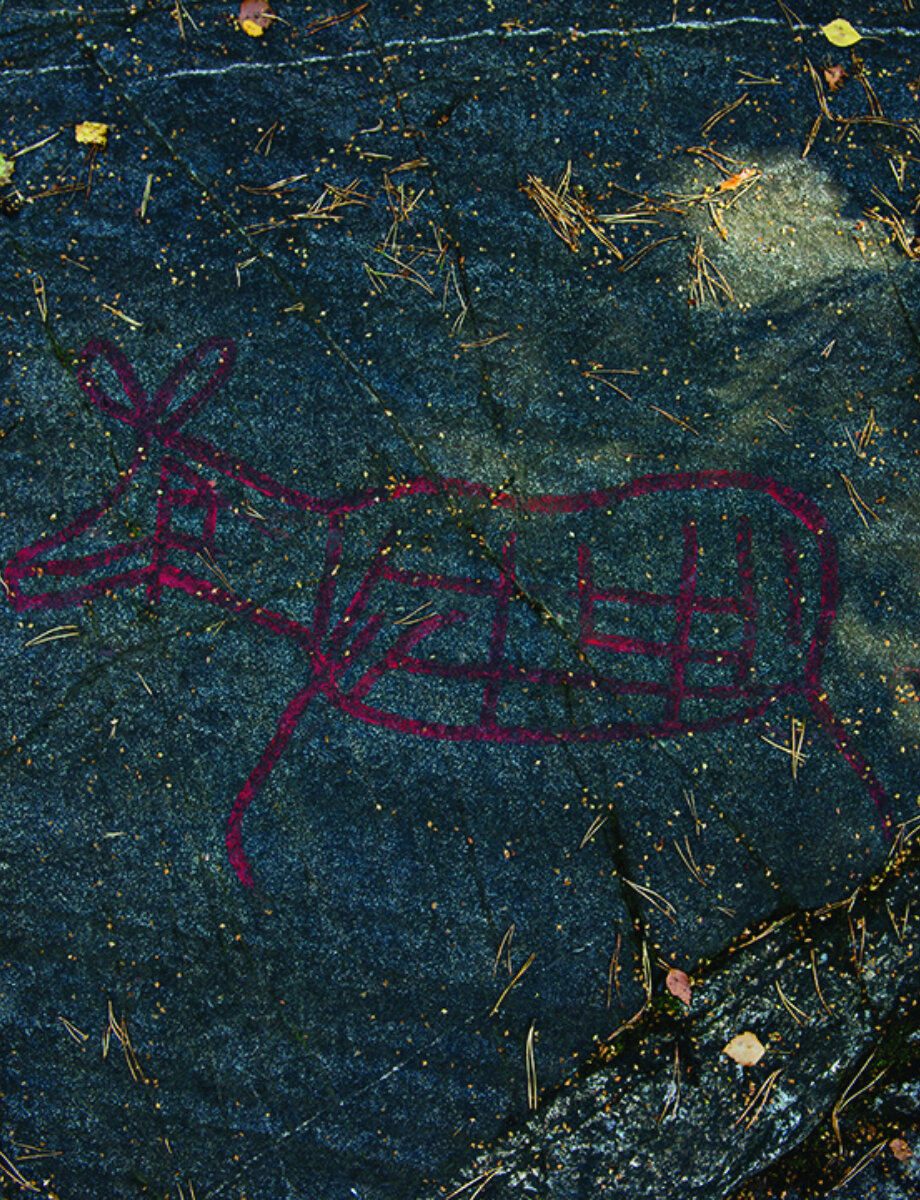
The comprehensive archeological surveys in preparation for the establishment of the sculptural park in 2011 showed that the cultural heritage at Ekeberg was even richer and more extensive than previously thought.
The War Cemetery
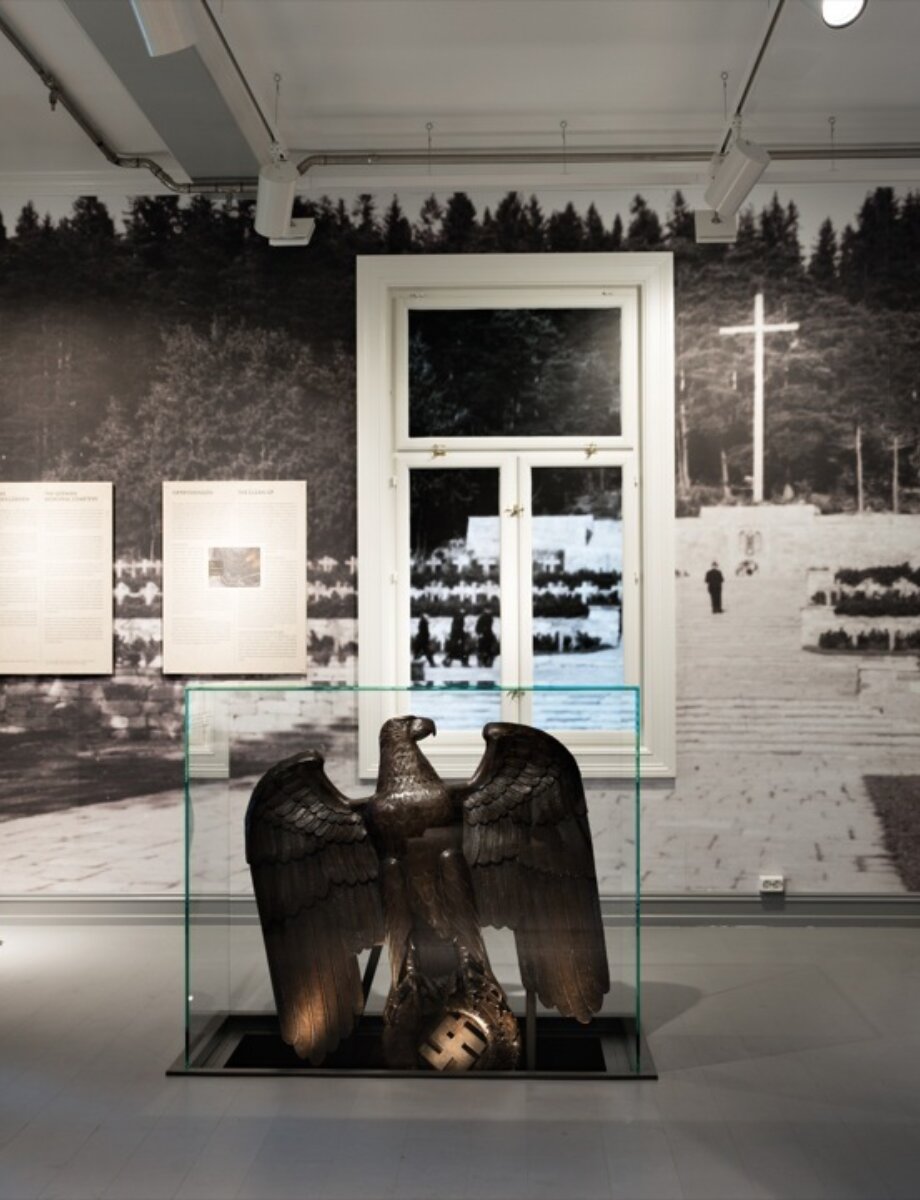
The Ekeberg area, with its steep hillsides, the plateau and the striking view of the city and the fjord, was seen as a strong strategic and military point for centuries, and for the occupying forces during World War II.
Post-war
The whole of the Ekeberg area was cleared after the war. It became important to make sure the park was safe to use, but also important to get rid of the highly symbolical war cemetery as quickly as possible.
The establishment of Ekebergparken
The Ekeberg Park officially opened on 26th September 2013. Around fifty representatives from the Norwegian and international press attended. The reviews were overwhelmingly positive. Ekebergparken has since figured in many listings of the best sculpture parks in the world.