
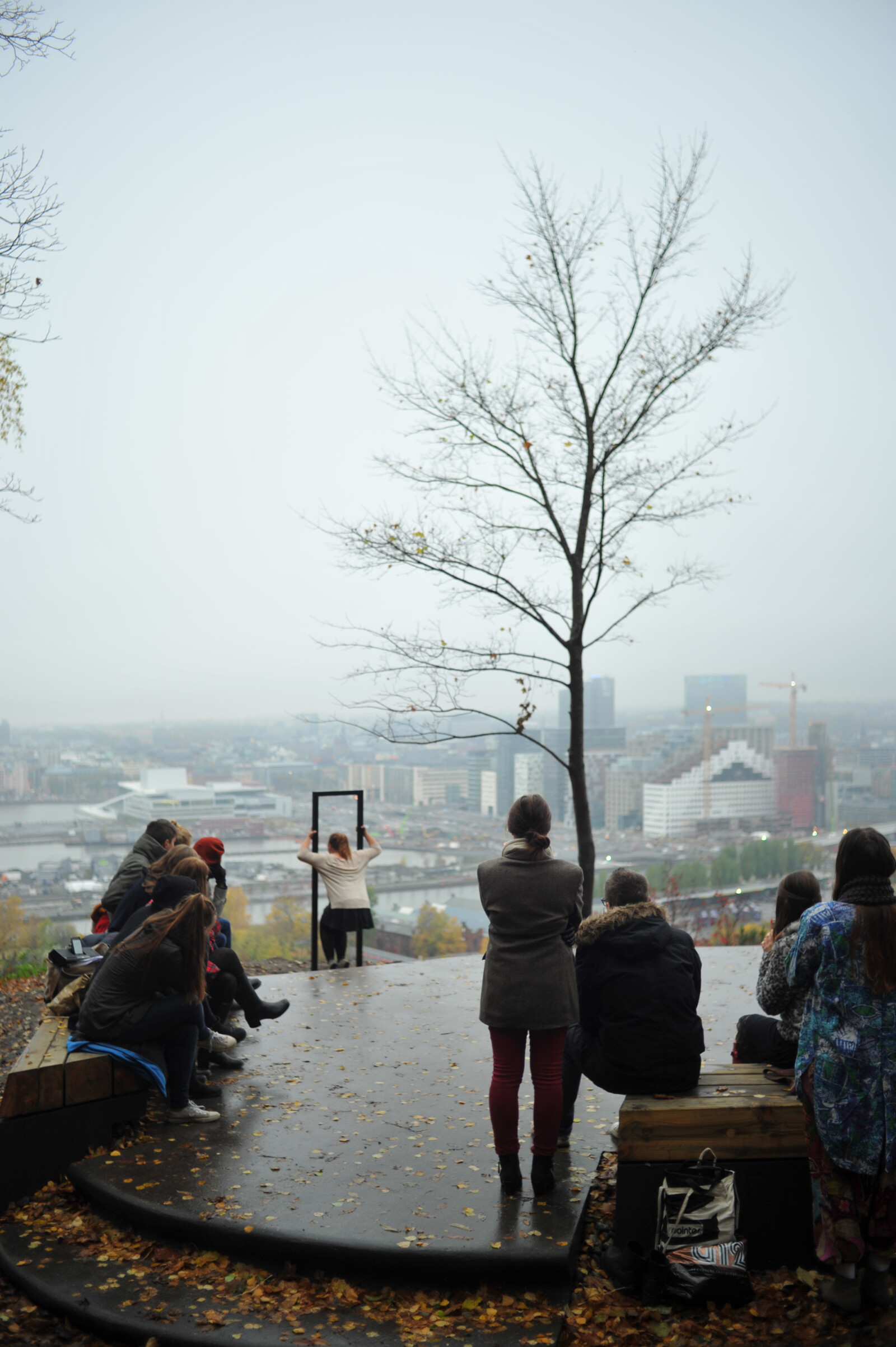
The Scream
- Date 2013
- Unveiled 2013
- Material Performance, steel, video
- Details Site Spesific
- Dimensions 73,5 x 91 x 5 cm
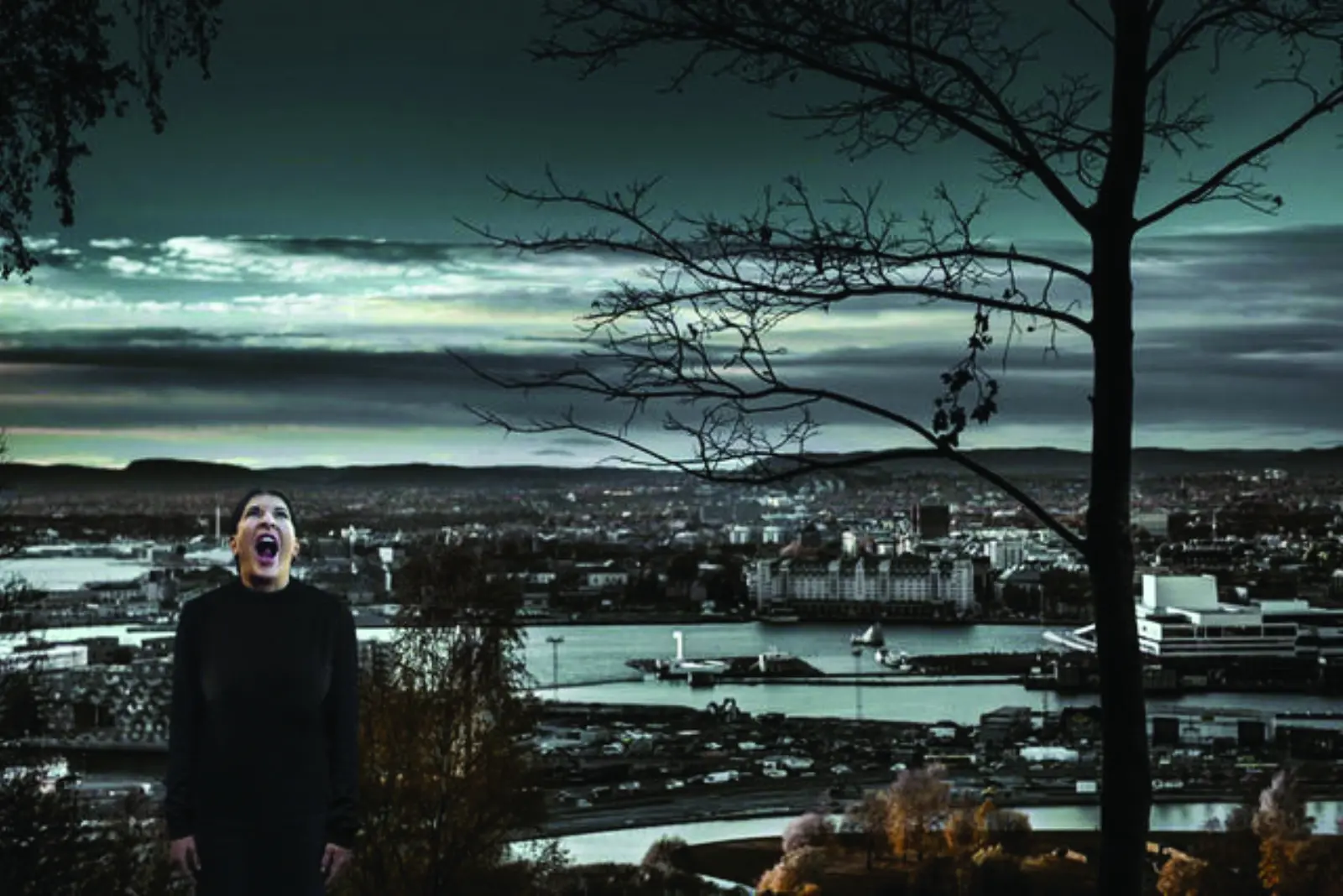
Munch-viewing point, Ekebergparken, 2014
© Marina Abramović / BONO. Photo: © Knut Bry
«Humans have so many pent-up emotions, like anger, jealousy, disappointment and sadness, that they need to release. I sensed that the primal act of screaming helped to free their bodies of some of these emotions.»
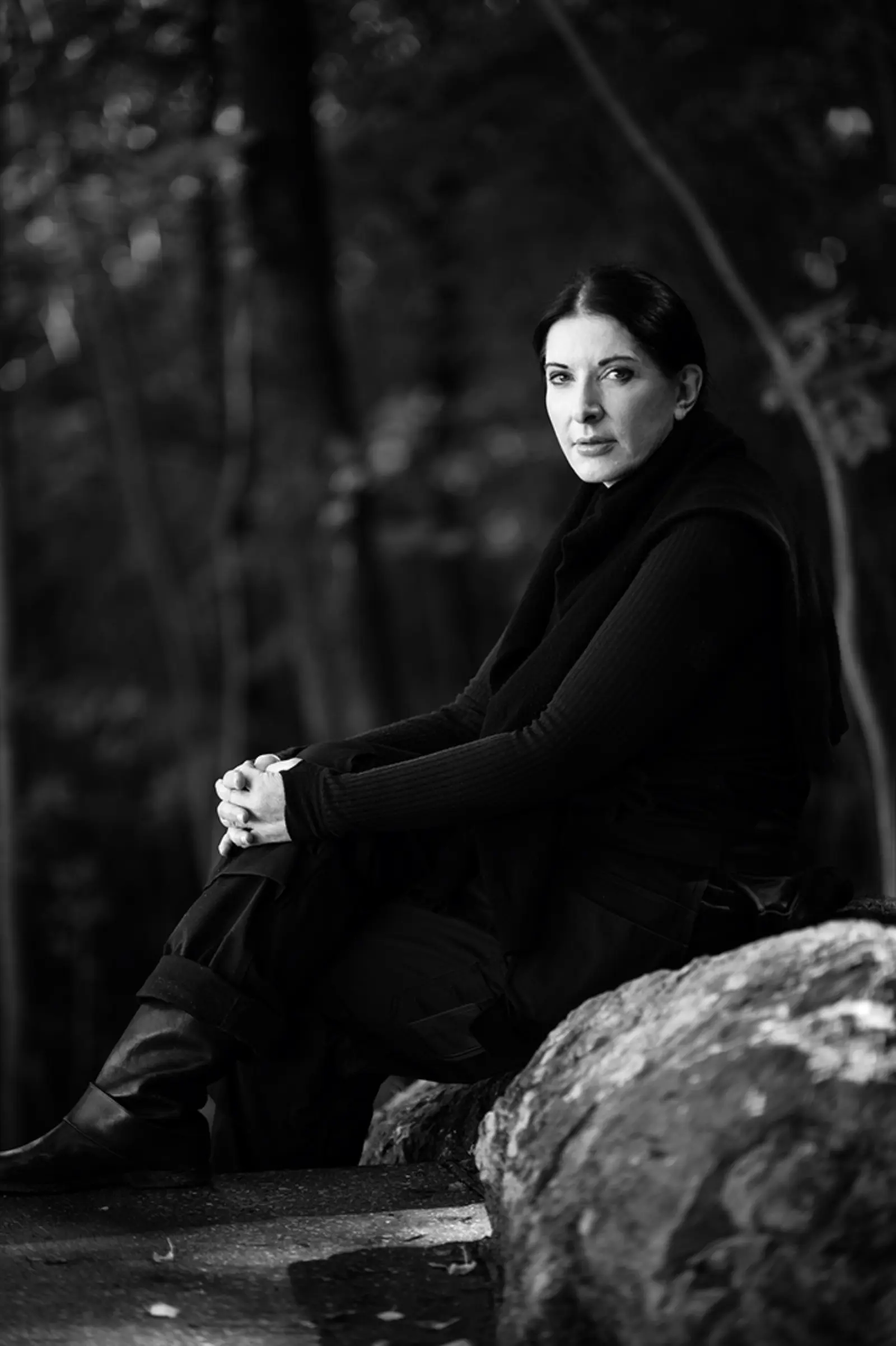
Marina Abramović
(b. Belgrade, Serbia, 1946)
Marina Abramović studied painting at the Art Academy of Belgrade, but in the 1970s she started to explore human relations, pain, and the physical limitations of the body by using herself as a medium. This work was largely developed as a collaboration with the German artist Ulay (Uwe Laysiepen) (1943-2020). Abramović became world famous in 1974 with the performance Rhythm 0. In this work, Abramović assumed a passive role and asked the audience to use different tools, including a loaded gun, a scalpel, and a feather, on her body. Her works are part of the collections of, amongst other institutions, the Museum of Modern Art in New York, Centre Georges Pompidou in Paris and The National Museum in Oslo.
Marina Abramović is a pioneer of performance art, known for subjecting her own body to extreme mental and physical stress. The participation of the audience is central to her work, and she seeks to release feelings and emotional states through pain, danger, and endurance.
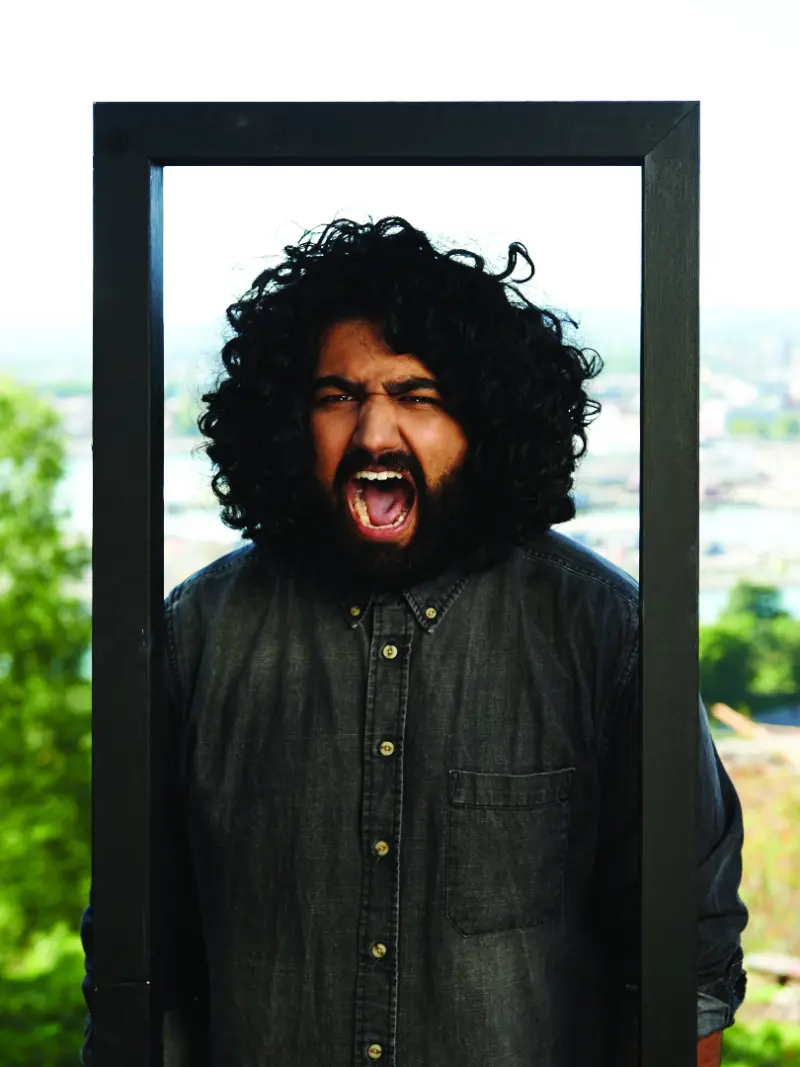
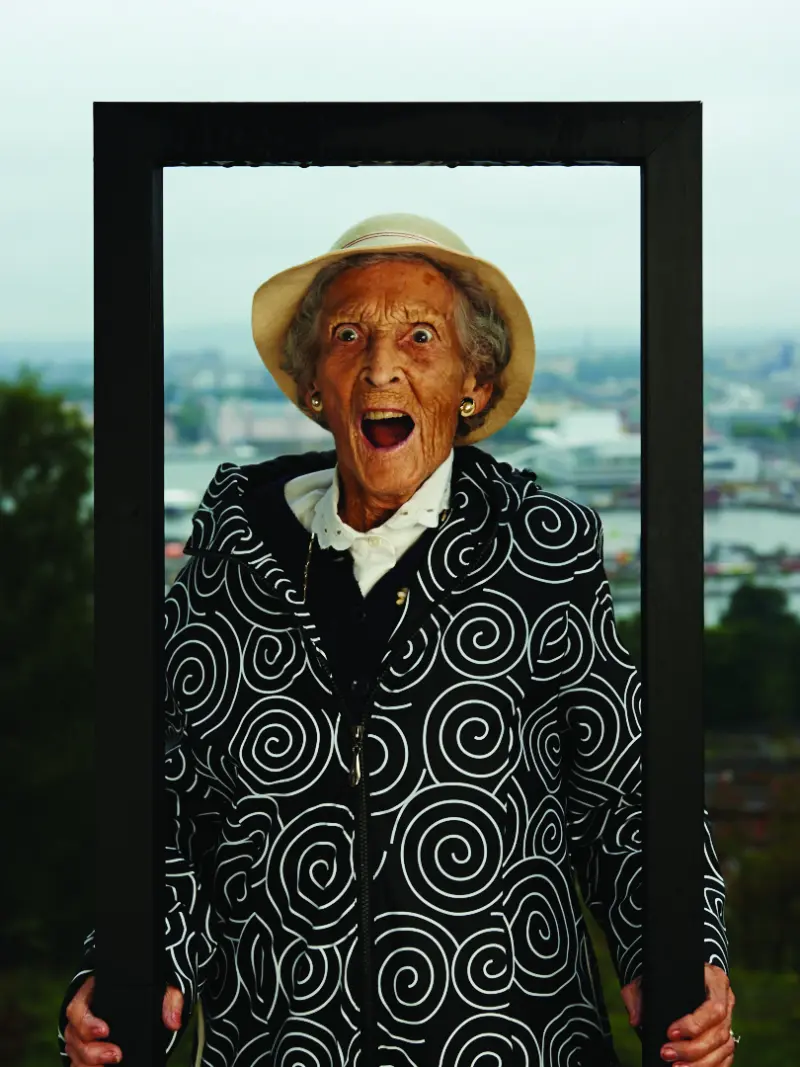
In 2013, Abramović made the site-specific performance The Scream on invitation from Ekebergparken. Together with 270 of Oslo’s citizens, she created a unique homage to Edvard Munch’s famous motif. Facing the landscape Munch likely referred to in Skrik (The Scream, 1893), the participants screamed their hearts out. The result is surprising, intense and moving. The performance was filmed and may be viewed in Ekebergparken’s museum. The audience is invited to scream through the steel frame that is permanently located on the viewpoint where the performance took place.
Edvard Munch at Ekeberg
In the autumn of 2012, Abramović came for a viewing in connection with the establishment of the Ekeberg Sculpture Park. She was invited by the art committee to investigate the possibility of a site-specific work. Abramović was inspired by the area’s connection to Edvard Munch. Oslo Municipality and C. Ludens Ringnes Foundation were by then in the process of establishing a viewpoint for his work Skrik (The Scream, 1893), making this location a natural choice for Abramović’s work.
In the 1890s, the public park at Ekeberg had just been established, soon becoming a popular location for the city’s population. It is widely known that artists, poets and writers frequently visited this new park, and among them was Edvard Munch. As part of his work process on Skrik (1893), he wrote poems about his experience one evening walking with his friends. He writes: “across the blue-black fjord and town, blood flickered through flaming tongues (...) and I felt the huge unending scream through nature.” Many believe this episode of anxiety happened at Ekeberg. We cannot know for sure where Munch was when it happened, or if it really is the Oslo fjord in the background of the painting. Munch’s expressionist style was about painting what he remembered and felt, not what he saw there and then. But the similarities between the background in the painting and the view from Ekeberg are striking.
It is the angst, Munch’s inner scream, that finds its expression in the shapes, colours, and symbols of the painting. This was Abramovic’s starting point when she decided that her contribution would be to invite the inhabitants of Oslo to come and scream their lungs out on the viewpoint. She wanted to create a place where we, as current Oslo residents, could find the strength and inspiration to let our feelings loose. The Scream can be seen as a work in three parts; the first part is the participatory project from 2013, the second is the film shown in the Ekeberg museum. The third is the current continuation of the performance at the viewpoint where everyone is invited to scream. Abramović has placed a sculpture here in the same shape and dimension as the frame of Munch’s painting. The audience can take a deep breath, close their eyes and let their screams ring out across the landscape.
See the whole video performance only in our museum
Guided tours
Experience The Scream and many of the other artworks in the collection with our art mediators. We offer guided tours for private groups all year round.