
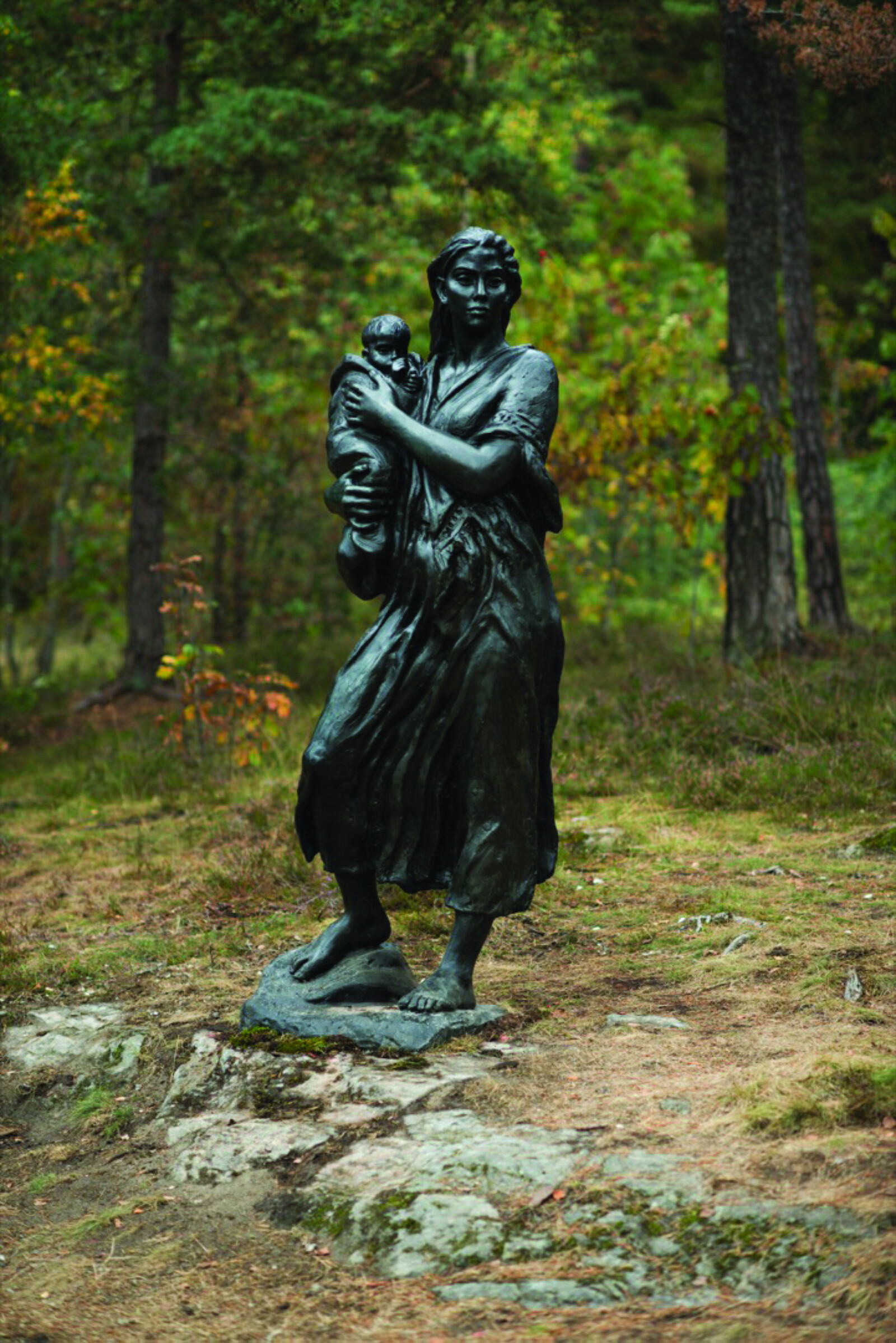
Mother and child
- Date 1993
- Unveiled 2013
- Material Bronze
- Dimensions 250 cm
© Per Ung / BONO. Photo: © Ivar Kvaal
«Mother and child is probably the most widely used motif in European visual art. (...) It is an everlasting, archetypal motif that I’ve spent a lot of time working on. Michelangelo’s last sculpture was exactly this, mother and child: the Rondanini Pietà in Milan from 1563. His whole artistic career ends with the heads of Christ and Mary drawing near each other. In this condition there’s an unspoken intimacy, which lends itself perfectly for pictorial representation.»
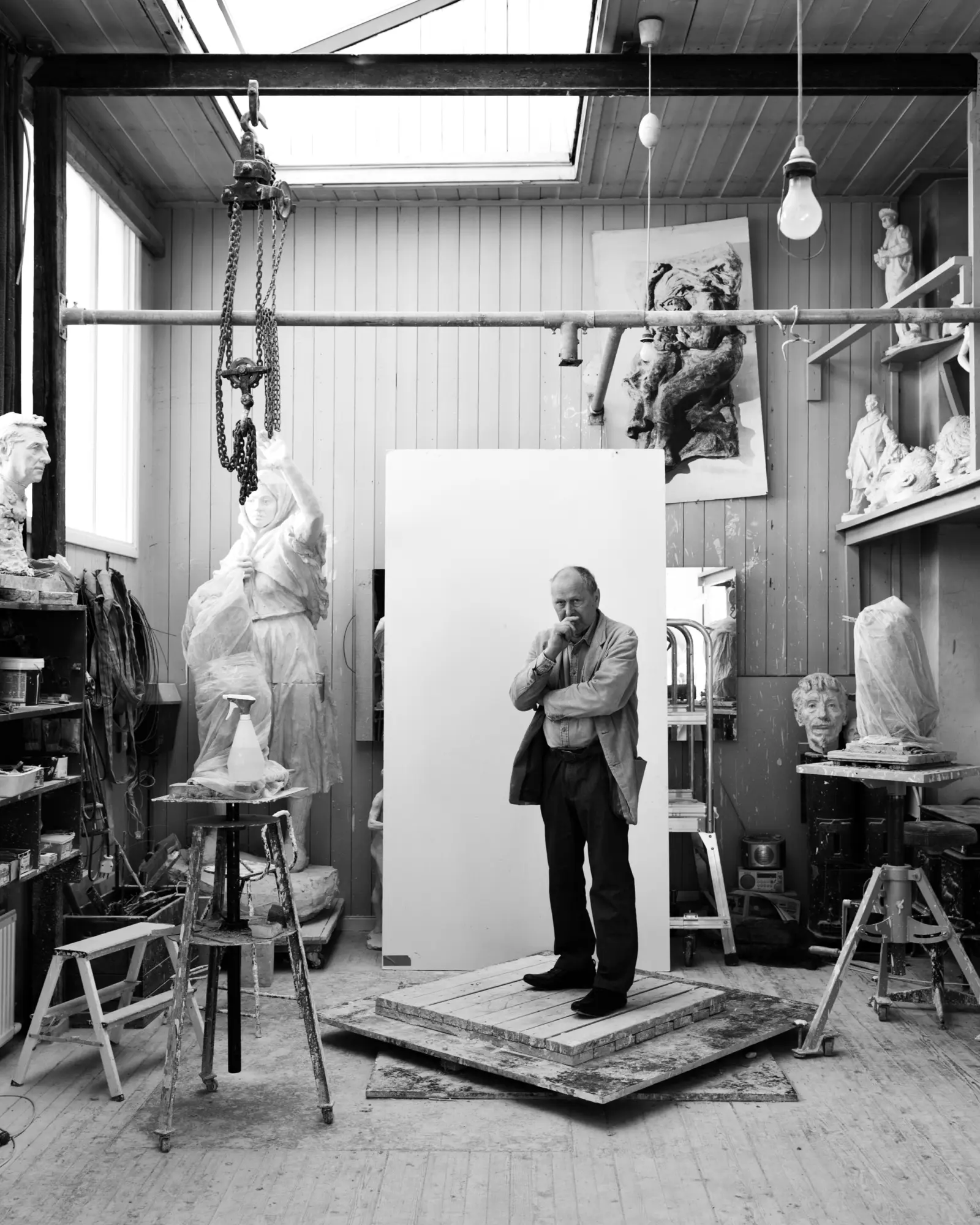
Per Ung
(b. Oslo, Norway, 1933-2013)
Per Ung was a sculptor and a printmaker. Ung was only 19 years old when he became a student at the Academy of Fine Arts in Oslo, learning from the influential artist Per Palle Storm (1910-1994). He belonged to one of the last generations formed by a conservative tradition in the sculptural field that dominated the post-war era in Norway. Throughout his long artistic career, he remained true to the figurative tradition and resisted modernism and the increasingly non-figurative tendencies in the art world. Ung’s strong commitment to the classical European art tradition was, to some extent, met with criticism. He mainly worked with private commissions, and he was a popular artist among a wider audience. Amongst his public artwork, he is known for the statue of Johanne Dybwad (1961) outside the National Theatre and Sonja Henie (1985) outside Frogner Stadion in Oslo. He was made a Knight of the Order of St. Olav in 2007.
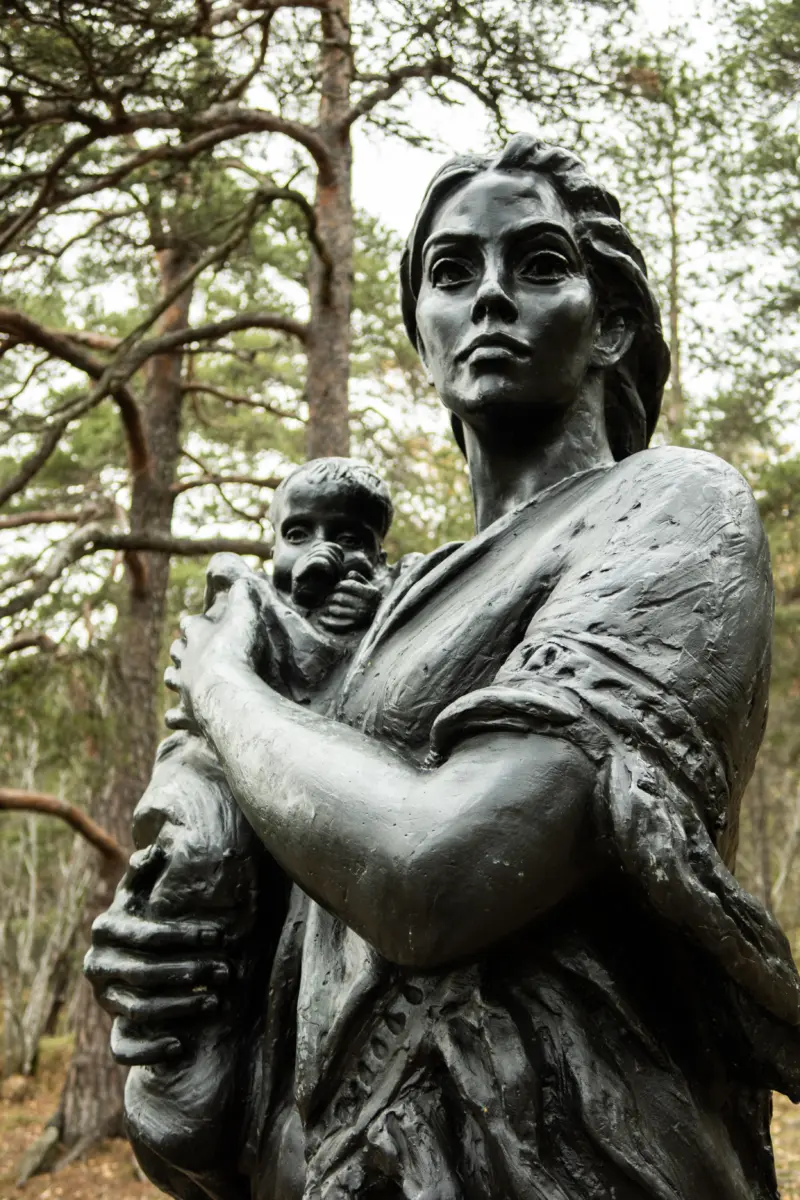
In Mother and Child Ung has rendered the classic subject in his own way. Instead of presenting an introvert scene of motherly bliss in a private sphere, he shows a pretty and upright young mother carrying her swathed infant on her hip, as if displaying the baby with pride.
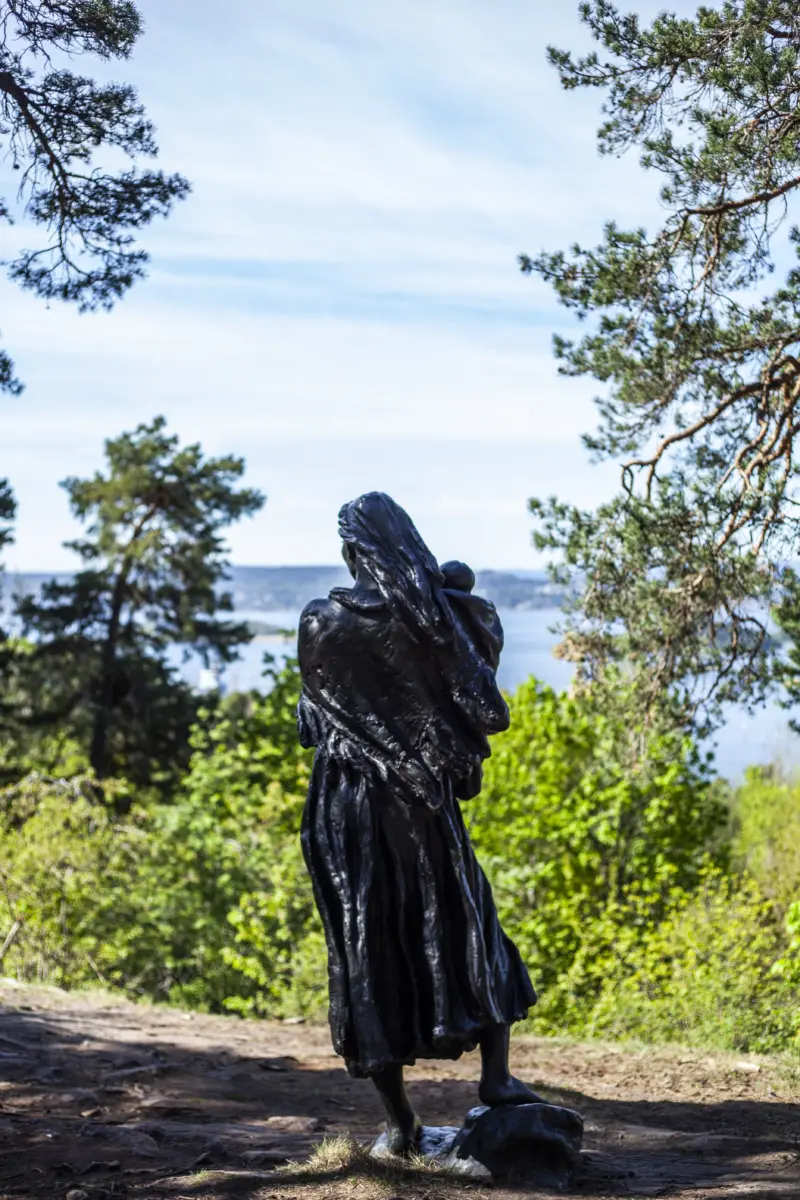
Per Ung worked, throughout his long career, in a figurative sculptural language. The human body that was central to his artwork, and he wanted to give form to human emotions and experiences. For Ung, the body and our inner life were inextricably linked and he developed a romantic and dramatic sculptural style that became the driving force of his career. Naturalistic portraits and bodies in theatrical, expressive gestures with a certain inner tension are typical of Ung’s work. This is also evident in Mother and child. The woman depicted stands tall and proud, while protectively lifting her child to her chest. The hair and dress are dynamically shaped with their realistic billows and folds and give the impression that she is in motion.
Guided tours
Experience Mother and Child and many of the other artworks in the collection with our art mediators. We offer guided tours for private groups all year around.